A candid look at how stepping back from the dugout transformed my child’s love for the game and helped me rediscover the joy of just being a mom.
By Megan Turner
The sun cast long shadows across the dusty parking lot. Inside our SUV, the air was thick with tension. Leo sat in the back, cap pulled low, staring at the floor mats after a tough loss. I glanced at a trusted coach. As a former professional pitcher, he handled these moments with intensity. I, however, was the "fixer," wanting to critique footwork. I thought I was helping, but I was managing a journey that wasn't mine.
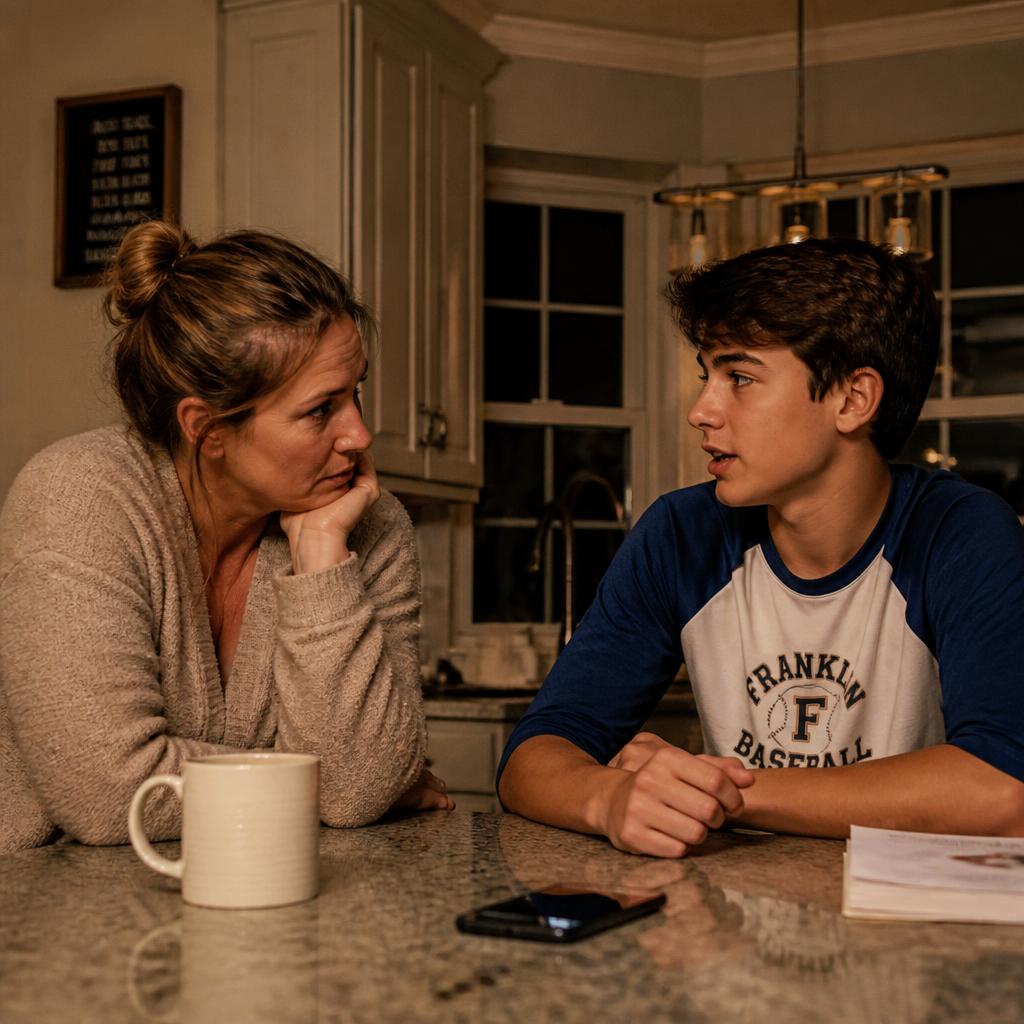
"Leo," I started, "I noticed on that ground ball—" Before I could finish, he let out a jagged sigh and slumped further into his seat. The silence that followed wasn't peaceful; it was a wall. In that moment, I realized that while I was trying to build a ballplayer, I was losing my son.
It has taken three seasons and a lot of humble pie to realize that the greatest gift I could give my child wasn't my expertise—it was his own autonomy. We live in a culture that treats youth sports like a high-stakes career, and as parents, it’s easy to become a general manager rather than a mom. But for a child to truly love the game, they have to own it. Here are the seven things I wish I knew before I finally learned to step back.
1. The Silence of the Car Ride Home is a Gift
For years, I viewed the drive home as a mobile classroom. I thought I was providing valuable feedback. What I didn't realize was that for Leo, the game was already over. He was exhausted and likely already replaying his own mistakes. My "feedback" wasn't help; it was a post-mortem he didn't ask for.
I wish I had known that the car ride home should be a sanctuary. Now, we don't talk about the game unless he brings it up first. This simple shift transformed our relationship. By giving him that space, I’m telling him that my love isn't tied to his performance. When he does decide to talk, he’s the one identifying what went wrong. Because I stopped filling the air with my observations, he finally had the room to develop his own.
2. Preparation is the First Step Toward Ownership
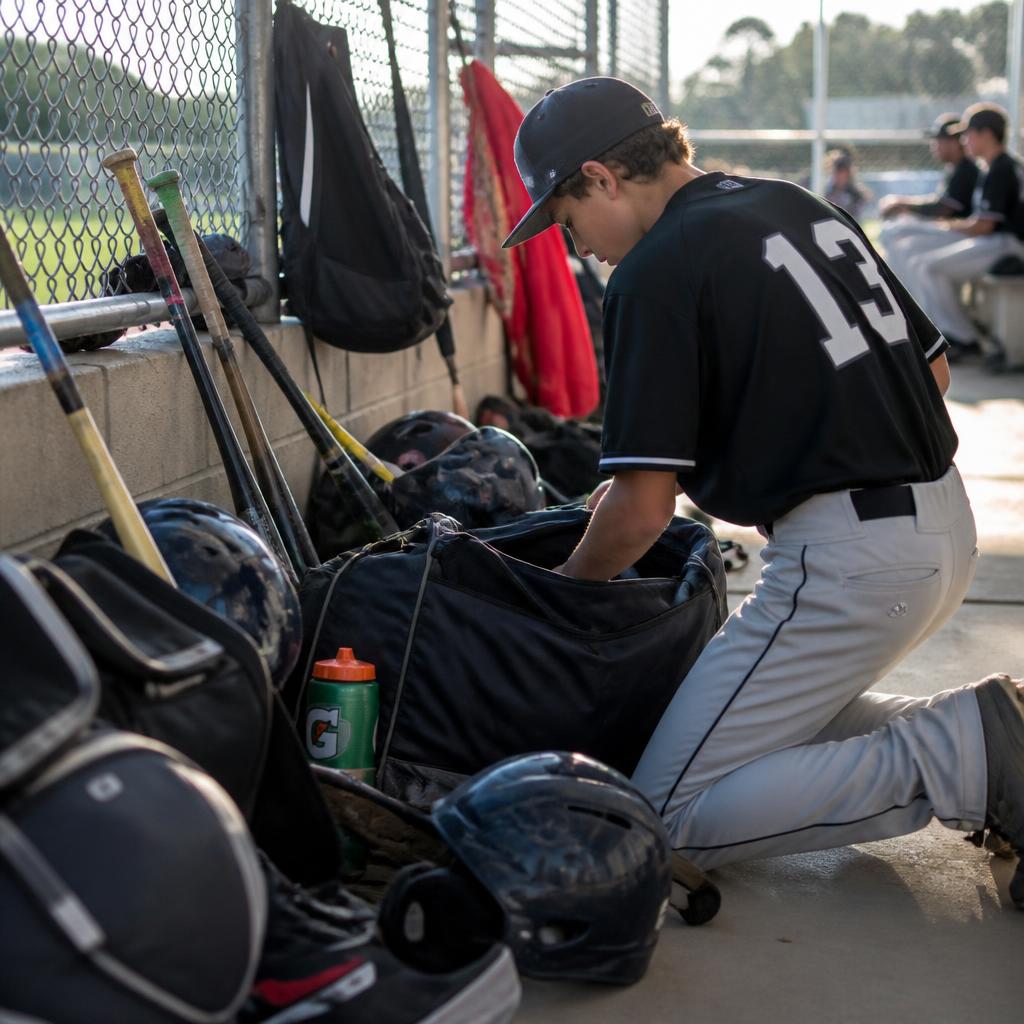
I used to be the one checking the bag, making sure the eye black was in the side pocket and reminding him to grab his water. I thought I was reducing his stress, but I was really just preventing him from taking responsibility. If he forgot his cleats, I was the one racing home to get them, sweating and frustrated while he waited by the dugout.
Ownership starts long before the first pitch. I had to learn to let him fail in the small things so he could succeed in the big ones. One Saturday, I watched him walk out the door without his glove. My heart was racing, but I stayed quiet. He got to the field, realized he didn't have it, and had to borrow a spare. He didn't have a great game, but he never forgot his glove again. By stepping back from the logistics, I allowed him to feel the weight of his own preparation.
3. Their Motivation Cannot Be Manufactured
we spent a lot of time worrying about Leo’s "fire." We wondered if he wanted it enough and tried to manufacture that motivation with incentives and private lessons. We were treating his baseball journey like a project we were managing. The hard truth is that you cannot want it more than they do. If the drive doesn't come from within, it will eventually flame out.
I wish I had understood that my role wasn't to stoke the fire, but to provide the wood if they decide to build one. When I stopped pushing him to do extra drills, he eventually started asking to do them on his own.
The moment I stopped trying to be his coach was the moment he finally felt free to be a player.
When the motivation is theirs, the successes are theirs too. They don't look at the bleachers for your approval after a hit; they look at their teammates. They start to care about the nuances of the game because they find them interesting, not because they know you’ll be happy. Watching that internal spark ignite is far more rewarding than any trophy we could have pushed him toward.
4. Failure is a Better Teacher Than My Feedback
As a mom, my instinct is to protect my child from pain. In baseball, that meant wanting to explain away every strikeout. I wanted to blame the umpire or the sun to soften the blow. But by doing that, I was robbing him of the most important lessons the game offers: resilience and problem-solving. Baseball is a game of failure. Even the best players fail most of the time at the plate.
I wish I had known that my job wasn't to prevent the failure, but to be a safe place for him to land when it happened. When Leo strikes out now, I don't offer a technical adjustment. I offer a high-five and a "tough break, buddy." I let him sit with the frustration because that frustration is what fuels growth. By letting him navigate the lows on his own, I’m helping him build the emotional calluses he’ll need for the rest of his life.
5. The Importance of a Direct Line to the Coach
There was a time when I was the primary communicator for everything. If Leo was confused about his playing time, I was the one catching the coach after practice. I thought I was advocating for him, but I was really just hovering and preventing him from developing a crucial life skill: self-advocacy. I wish I had realized sooner that the relationship between a player and a coach doesn't have room for a parent in the middle.
We started a new rule: if Leo has a question, he has to ask it. It was agonizing at first. I watched him walk up to his coach, trembling slightly, to ask why he had been moved down in the batting order.
Encouraging your child to speak for themselves builds a level of confidence that no amount of home runs ever could.
The result was incredible. The coach respected him for his maturity, and Leo felt a massive surge of confidence because he handled a difficult situation on his own. He realized that he had a voice and that his voice had power. Now, he manages those relationships entirely on his own, and I’m just the cheerleader, which is exactly where I belong.
6. My Child is More Than a Batting Average
It is so easy to let the "sports parent" identity consume your entire family. Our weekends were defined by tournament schedules and our mood was often dictated by the outcome of a Sunday game. We were inadvertently teaching Leo that his value was tied to his performance. If he played well, the house was happy. If he struggled, the atmosphere was heavy.
I wish I had known how to decouple his identity from his jersey number. He is a brother, a student, and a kid who loves music. Baseball is something he does; it is not who he is. We started making a conscious effort to celebrate things that had nothing to do with sports, ensuring our "non-baseball" time was just as valued as our time at the ballpark. When the pressure to perform is removed, the joy of the game returns. Leo started playing with more freedom because he knew that even if he went 0-for-4, he was still the same kid we loved.
7. The Best View is From the Back Row
In the early years, I was always right up against the fence. I wanted to see every pitch and make sure Leo knew I was there watching. I didn't realize that my physical proximity was actually a source of pressure. He was constantly checking my reaction, looking for a nod or a frown after every play. One day, I decided to sit on the top row of the bleachers, far away from the dugout.
From that distance, the game looked different. I couldn't see the tiny mistakes, but I could see the way the team moved together. I could see Leo laughing with his friends between innings. I could see the pure, unadulterated fun of a group of kids playing in the dirt. Sitting further back allowed me to gain perspective. It reminded me that this is his game, not mine. By giving him that physical space, I gave him emotional space as well. I became a background character in his story, which allowed him to finally become the lead.
A Different Way Forward
The transformation in Leo has been profound. He’s more confident and resilient because he knows his successes belong to him, and he handles his failures because he knows they don't define him. Our job isn't to ensure he makes the varsity team or gets a scholarship; it's to make sure he grows into a man who knows how to stand on his own two feet. This journey of letting go hasn't been easy, but looking at him now, I know it was the right choice.
It all starts with the small, quiet habits we build away from the bright lights and the cheering crowds. It’s about the way we talk to ourselves in the quiet moments before the day begins, and the way we choose to show up for the people we love without conditions. When we focus on building that internal foundation of confidence, the rest of the game—and life—tends to take care of itself. We’re learning that true strength isn't found in the outcome, but in the steady, daily practice of being who we are, one step at a time.