Navigating the emotional toll of low playing time with grace, grit, and psychological awareness.
The morning sun is still low, casting geometric shadows across the infield dirt, but the heat is already settling into the bleachers. You hear the rhythmic pop of balls hitting leather and the high-pitched chatter of teammates. It is the soundtrack of a Saturday at the ballpark, a sound that usually brings anticipation. But today, you see your child sitting at the far end of the bench. Their helmet is off, their chin is resting on their hand, and their eyes are fixed on a patch of grass beyond the fence. The game hasn't even started, yet the weight of the afternoon is visible in the slump of their shoulders. For a parent, there is a quiet ache that comes with watching your child navigate the reality of limited playing time. It sits in the pit of your stomach as you realize that today, your athlete will be a spectator to the sport they love.
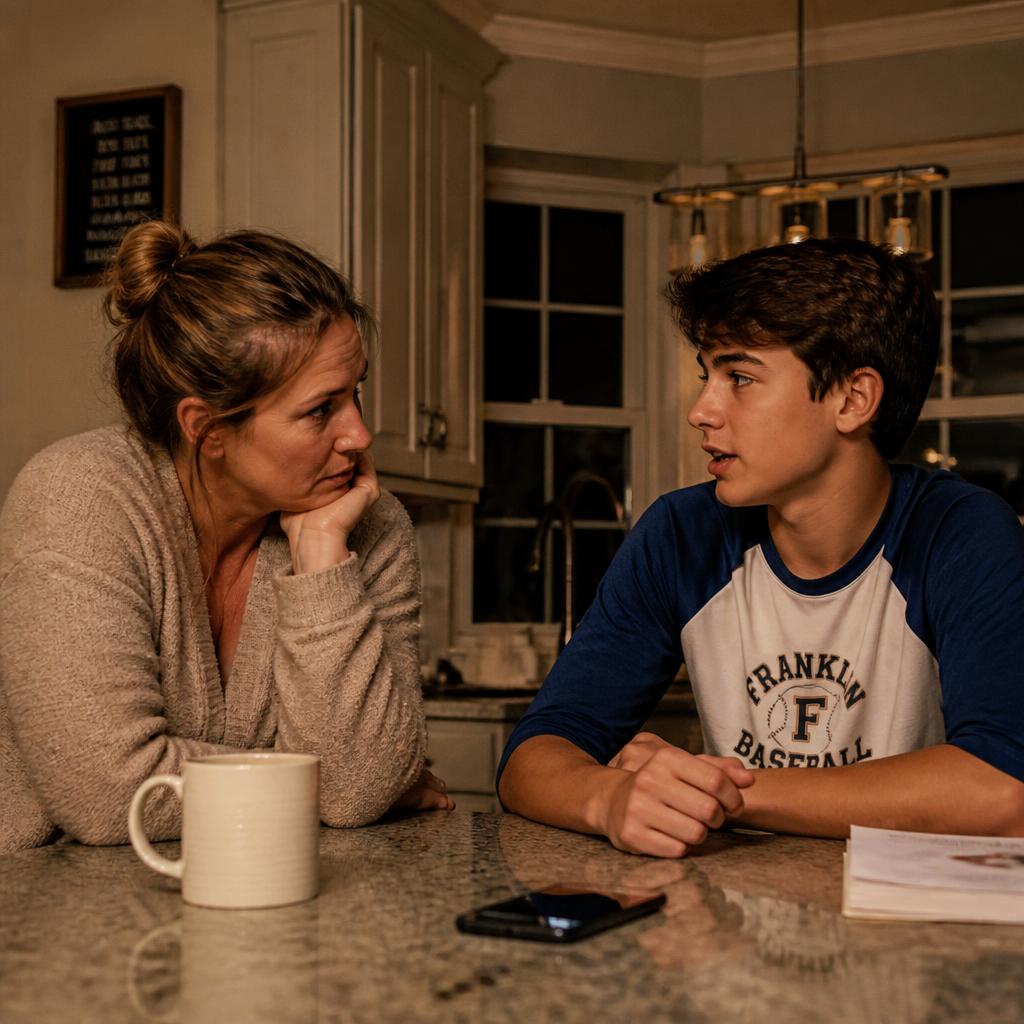
The emotional landscape of youth sports is often dominated by the highs of the home run. However, for many families, the true challenge takes place in the quiet spaces—the dugout bench, the back seat of the car, and the dinner table where the conversation about "why" remains unspoken. Supporting an athlete through low playing time requires more than just a supportive pat on the back. It demands a nuanced approach that balances empathy with grit. Navigating these waters without casting the coach as the villain or the child as the victim is perhaps the most difficult balancing act a sports parent will ever perform.
Reclaiming the Narrative of Worth
In the world of a young athlete, playing time is the primary currency of validation. When they are on the field, they feel seen and competent. When they are on the bench, that internal ledger often flips into the red. The first step in supporting a benched athlete is helping them decouple their personal worth from their position on the depth chart. It is easy for a child to internalize the message that "if I’m not playing, I must not be good enough."
Parents can counter this by intentionally shifting the conversation away from performance-based value. This isn't about lying to the child about their skill level, but about reinforcing the idea that their identity is more expansive than the number of innings they log. We must help them see that a team is a complex ecosystem. While the players on the field are the most visible, the culture and resilience of the entire roster determine the team's ultimate success. By praising their character, their support for teammates, and their persistence in practice, we provide them with a different set of metrics for success—ones that they can control regardless of the coach’s lineup card.
The Sacred Space of the Car Ride Home
There is no more volatile environment in youth sports than the car ride home after a game where an athlete didn't play. The air is often thick with unspoken frustration. For many parents, the natural instinct is to fill that silence. We want to fix the problem, explain away the coach's decisions, or offer a technical critique. However, in these moments, the most powerful tool a parent possesses is not their voice, but their presence.
The goal of the car ride home is not to solve the season's problems, but to provide a safe harbor where the athlete's value is never in question.
Psychologically, the immediate aftermath of a game is a time of high emotional processing. An athlete who has spent two hours watching from the sidelines is likely feeling a mix of embarrassment and boredom. Pushing them to talk can feel like an intrusion. Instead, consider making the car ride a "no-sports zone" unless the child initiates the conversation. Let them choose the music or stop for a favorite snack. By creating this boundary, you signal that your relationship is not contingent on their athletic status. You are their parent first, and their fan second.
Validating the Sting Without Lighting the Match
When your child expresses frustration about their playing time, the temptation to join them in their anger is immense. It is painful to see your child hurt, and it is natural to want to find someone to blame. Often, that blame lands on the coach. You might find yourself thinking—or saying—that the coach "has favorites" or "is making a huge mistake." While these things might feel true, vocalizing them to your child is like throwing gasoline on a fire.
Validating a child’s feelings is not the same as agreeing with their grievances. You can say, "I can see how much it hurts to sit out today," without adding, "and the coach is wrong." When we blame the coach, we teach our children that they are victims of an unfair system. This robs them of their agency and encourages a mindset of excuse-making. Instead, help them sit with the discomfort. Acknowledge that sports, like life, are not always fair, and that feeling disappointed is a natural response to a difficult situation. By validating the emotion without attacking the authority figure, you help your child develop the emotional maturity to handle setbacks without losing their sense of personal responsibility.
The Power of the "Controllables"
One of the most debilitating aspects of being benched is the feeling of powerlessness. The decision of who plays is out of the athlete's hands, which can lead to a sense of "learned helplessness." To combat this, parents must help their athletes refocus on the "controllables." In any sporting environment, there are three things a player always owns: their effort, their attitude, and their preparation.
Shifting an athlete's focus from the coach's decision to their own daily habits is the fastest way to rebuild a shattered sense of confidence.
Encourage your child to find small wins within their current role. Can they be the loudest person in the dugout? Can they be the first one to congratulate a teammate who just scored? Can they use their time on the bench to study the opposing pitcher? By identifying these micro-actions, the athlete regains a sense of control. They stop being a passive observer and start becoming an active participant in their own development. This shift in focus doesn't just make them a better teammate; it builds a psychological foundation of resilience that will serve them long after they hang up their cleats.
Building Resilience in the Shadows
We often talk about sports building character, but we usually assume that character is built through the glory of competition. In reality, some of the most profound character development happens in the shadows of the dugout. Learning how to be part of something larger than yourself when you aren't the star is a rare and valuable skill. It requires a level of humility and patience that many adults struggle to maintain.
When an athlete is benched, they are being given a crash course in resilience. They are learning how to handle rejection, how to manage jealousy, and how to stay engaged when the spotlight is elsewhere. As a parent, you can frame this period not as a "lost season," but as a period of intense growth. Use this time to discuss the concept of the "long game." Remind them that every great athlete, at some point, has had to fight for their spot. By highlighting the grit it takes to keep showing up and working hard when the rewards aren't immediate, you are teaching them a lesson about perseverance that will apply to their future careers and personal challenges.
The Long-Game Perspective
It is easy to get caught up in the "tyranny of the now." When you are in the middle of a season, every game feels like a monumental event. But in the grand scheme of a child's life, a single season of low playing time is a tiny blip on the radar. As parents, we have the benefit of perspective that our children lack, and it is our job to provide that broader view.
Ask yourself: What do I want my child to take away from their youth sports experience ten years from now? Most of us would answer with things like teamwork, discipline, and the ability to handle failure. Interestingly, none of those outcomes require a certain number of innings played. In fact, the "failure" of being benched might actually be a more effective teacher than a season of easy success. When we stop viewing playing time as the ultimate goal and start viewing it as a tool for development, the pressure begins to lift. We can support our children in their disappointment while simultaneously holding the belief that they are gaining something far more valuable than a trophy.
Partnering with the Process
Finally, supporting a benched athlete means teaching them how to constructively engage with the "process" of the team. This doesn't mean the parent calling the coach to demand an explanation. Instead, it means empowering the athlete to have those conversations themselves. If a child is old enough to play competitive sports, they are old enough to ask their coach, "What specifically can I work on in practice to earn more opportunities?"
This approach transforms the athlete from a complainant into a seeker of growth. It changes the dynamic from "Why aren't you playing me?" to "How can I help this team more?" When a child takes ownership of their development, it often changes the coach’s perception of them as well. It shows a level of maturity and commitment that is hard to ignore. As a parent, your role is to help your child prepare for that conversation, but then stepping back and letting them lead. By partnering with the process rather than fighting against it, you help your child navigate the hierarchies of life with grace and professionalism.
The emotional toll of the bench is real, and it is heavy. But within that weight lies the potential for a profound strengthening of the spirit. As parents, our job is not to lift the weight off our children’s shoulders, but to help them find the strength to carry it until they are ready to step back into the light.
In the moments when the frustration feels most acute, it can be helpful to have a simple, grounding practice to return to. For many athletes and parents alike, a quiet, repeatable confidence routine can make all the difference. This might be as simple as taking three deep breaths before entering the ballpark, or identifying one specific thing to be grateful for during the car ride home. By anchoring ourselves in these small, intentional acts, we create a sense of stability in an unpredictable environment. It is a way of reminding ourselves that while we cannot control the lineup, we can always control the way we show up for the game—and for each other. Confidence, after all, is not something that is given to us by a coach; it is something we build, brick by brick, in the quiet moments when no one is watching.