Cutting through the noise to find a path that actually works for your athlete’s future.
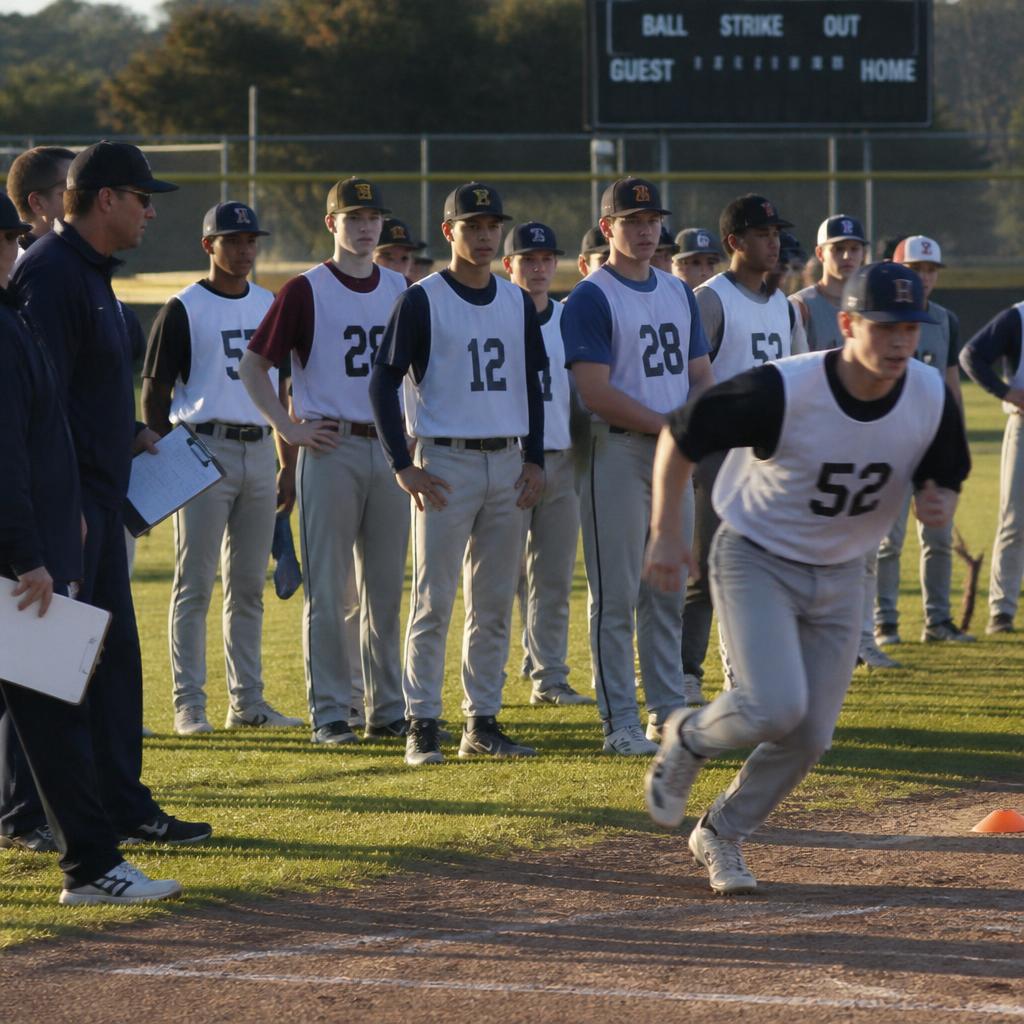
The sun baked the red clay of a suburban Georgia sports complex, where the hum of industrial fans competed with the rhythmic ping of aluminum bats. On Field 4, a seventeen-year-old shortstop took his position, his jersey stained with the sweat of a long weekend. Behind the backstop, parents sat in folding chairs, eyes darting between the field and the few men in polo shirts holding clipboards. Every ball hit in the boy’s direction prompted a collective holding of breath. To the parents, this wasn't just a game; it was a high-stakes audition for years of private lessons and travel ball fees. They were waiting for a sign—a nod or a business card—that would validate the journey. But as the final out was recorded, the men with the clipboards walked away without a word, leaving the parents to pack up their coolers in a silence heavy with unspoken questions.
This scene plays out across the country every weekend. It is the heart of the youth sports machine, fueled by the dream of the next level. Yet, for all the noise surrounding the "recruiting process," there is a startling amount of misunderstanding about how it actually works. Parents are often sold a bill of goods by highlight-reel services and "exposure" tournaments that promise a clear path to a college roster. The reality is far more nuanced, requiring a level of pragmatism that many families aren't prepared for. To navigate this journey without losing your sanity—or your athlete’s love for the game—you must look past the marketing and confront the hard truths of the collegiate landscape.
1. Exposure is Not Something You Can Buy
A persistent myth in baseball is that if you pay for enough "exposure," scouts will find you. We see it in the endless invitations to "Elite Showcases" that flood inboxes. The implication is that exposure is a commodity you can purchase with a credit card. But true exposure is not about being seen; it’s about being worth seeing.
College coaches do not wander through massive complexes hoping to stumble upon a hidden gem. They arrive with a list to verify what they have already heard or seen on video. When a parent pays for a showcase, they pay for the opportunity to be seen. Without the prerequisite work of building a profile that warrants attention, that opportunity is often wasted. A player with a high-level skill set and a proactive communication strategy will find exposure on a back field as surely as they will at a national event. You cannot buy a shortcut; you can only buy a stage, and the stage is useless if the performance isn't ready.
Exposure is not a commodity you purchase at a tournament; it is the natural byproduct of a player being undeniably prepared for the level they seek to reach.
2. Your GPA is Your Most Reliable Tool
In the hierarchy of recruiting tools, a ninety-mile-per-hour fastball is impressive, but a 3.8 GPA is often more valuable. This is a hard reality for many families to swallow, especially those who have invested heavily in pitching coaches while treating schoolwork as a secondary concern. The math of college baseball is unforgiving. With only 11.7 scholarships available for a typical Division I roster of thirty-five players, coaches are forced to get creative with how they fund their teams.
When a coach looks at a recruit, they aren't just looking at their swing; they are looking at their "cost." A player with high academic marks can qualify for institutional aid—money that comes from the university’s academic budget rather than the athletic department’s limited pool. This makes the athlete "cheaper" for the coach to recruit. If two players have similar athletic profiles, the one who doesn't require a large chunk of the athletic scholarship budget will win every time. Your child’s transcript is a financial instrument that gives them leverage in a highly competitive market.
3. The Recruiter Wants to Know the Player, Not the Parent
There is a well-meaning but destructive instinct among parents to "handle" the recruiting process for their children. They write the emails, make the phone calls, and hover during visits, answering questions before the athlete can speak. From a coach’s perspective, this is a massive red flag. A college coach is looking for a young man who is ready to step into a high-pressure environment and take ownership of his performance. If the parent is the one driving the bus during the recruiting process, the coach assumes the parent will be the one driving the bus when the player hits a slump on campus.
The recruiting process is the first real test of an athlete’s maturity. Coaches want to see the player take the lead. They want to receive the email written in the player’s voice rather than a polished marketing pitch from a parent. They want to look the athlete in the eye and hear why they are interested in the program. When a parent over-functions, they inadvertently signal that their child is under-prepared for the independence required of a college student-athlete. The most helpful thing a parent can do is step back and become a consultant rather than a manager.
The "Helicopter" Warning: If a coach sees a parent doing all the talking during a visit, they aren't seeing a supportive family; they are seeing a potential headache for the next four years.
4. The "D1 or Bust" Mentality is a Statistical Trap
The allure of Division I baseball is powerful. It’s what we see on television; it’s the brand names we recognize. However, the obsession with "going D1" often blinds families to the incredible opportunities available at the D2, D3, NAIA, and Junior College levels. Statistically, only a tiny fraction of high school players will ever suit up for a Division I program, and an even smaller percentage will actually see significant playing time.
The hard reality is that "Division I" is a wide spectrum. There are D1 programs that lack the facilities and coaching stability of top-tier D3 or NAIA schools. Many families bypass a perfect fit at a smaller school where the athlete would be a four-year starter, choosing instead to "walk on" at a big-name school where they will likely spend their career as a practice player. The goal of the recruiting process should not be to collect the most prestigious logo; it should be to find the place where the athlete can actually play, develop, and earn a degree. Chasing the brand name at the expense of the experience is a recipe for a miserable four years.
5. A Scholarship is Rarely a Full Ride
In the world of college football or basketball, "full ride" is a common term. In college baseball, it is a unicorn. Because of the scholarship-to-roster-size ratio, the average baseball scholarship is often closer to 25% than it is to 100%. This means that even with an "athletic scholarship," the family is still on the hook for a significant portion of the tuition, room, and board.
Families who enter the process expecting the sport to pay for the entirety of their child’s education are often met with a rude awakening. This is why the "fit" and the "academic lever" are so critical. If you are choosing a school solely because of a small athletic scholarship, but the remaining cost is still more than you can afford, the scholarship isn't a prize—it’s a burden. Understanding the financial landscape early allows families to have honest conversations about what is realistic, preventing the heartbreak of a "dream school" that is financially impossible to attend.
6. Your Character is Being Evaluated in the Shadows
Coaches are not just scouting your talent; they are scouting your soul. In an era where every game is recorded and social media provides a window into a player’s life, there is no such thing as "off the record." A coach will watch how a player reacts after a strikeout. Do they slam their helmet? Do they ignore their teammates? They will watch how the player interacts with their parents after a tough loss. Are they disrespectful? Do they roll their eyes?
Furthermore, coaches are notorious for "back-door" recruiting. They will call the opposing coach or the tournament director to ask about a player’s behavior when they think no one is watching. They are looking for "high-character" individuals who will add to the culture of their clubhouse, not detract from it. A player can have all the talent in the world, but if they are perceived as a "toxic" presence, their recruiting stock will plummet. The hard reality is that your character is the only thing you have total control over, and it is often the deciding factor in a coach’s final decision.
7. The Best Fit is Often the One You Didn't Expect
Many families start with a list of "dream schools," but the most successful outcomes often come from schools that weren't on the original radar. The "best fit" is a complex calculation of coaching style, academics, and roster depth. It requires open-mindedness that many families struggle with.
The school that wants your athlete the most is often where they will be most successful. There is a profound difference between being a "priority recruit" for a mid-major program and the "last guy on the list" for a powerhouse. Being a priority means the coaches are invested in your development from day one. Finding the right fit requires setting aside the ego and asking hard questions: Will I play here? Do I like the coaches? Does this school have my major? If the answer leads to a school you’ve never heard of, that might be the most successful recruiting outcome possible.
The journey through the college recruiting process is rarely a straight line. It is a path filled with high hopes, sudden disappointments, and a lot of waiting. For parents, the most important role isn't to be a scout or a manager, but to be a steady anchor for their athlete. The process will test the player’s confidence and the parent’s patience. It will force you to confront the reality of your child’s talent and the competitive nature of the world they are entering.
To help stay grounded during this time, it is useful to implement a simple, repeatable practice of reflection. Each night, before the noise of the next day’s emails or tournament schedules begins, take five minutes to sit in silence. Don't think about batting averages or radar gun readings. Instead, focus on one thing your athlete did that day that had nothing to do with their performance—a moment of leadership, a show of resilience, or a simple act of kindness toward a teammate. By intentionally shifting your focus away from the "prospect" and back to the person, you create a space of unconditional support. This small practice builds a foundation of confidence that isn't dependent on a coach’s opinion or a scout’s clipboard, allowing both you and your athlete to navigate the recruiting realities with a sense of perspective and peace.