Managing the chaos of the road requires a strategy, not just a cooler full of Gatorade.
Managing the chaos of the road requires a strategy, not just a cooler full of Gatorade.
The sun has not yet crested the horizon, but the gravel in the overflow parking lot is already crunching under the weight of a hundred SUVs. It is 6:15 AM on a Saturday in mid-July. The air is already thick with the promise of humidity, and the smell of freshly cut grass mingles with the faint, lingering scent of yesterday’s sunblock and stale Gatorade. In the backseat, a twelve-year-old is slumped against the window, one leg draped over a bat bag that is nearly as large as he is, still caught in the heavy, rhythmic breathing of a teenager who was woken up four hours too early. This is the quiet before the storm. For many, this weekend represents a blur of forgotten cleats and the slow erosion of family sanity. But for the practical parent, this is not a trial to be endured; it is a system to be managed.
A three-day tournament is an expedition, not a day trip. When the schedule calls for six games over seventy-two hours, the "grab and go" approach fails by Saturday. Success is rarely determined by a fastball’s velocity; it is determined by the sustainability of the family’s energy. The following guide outlines the systems required to turn road chaos into a sustainable rhythm.
The Mobile Command Center: Logistics of Gear
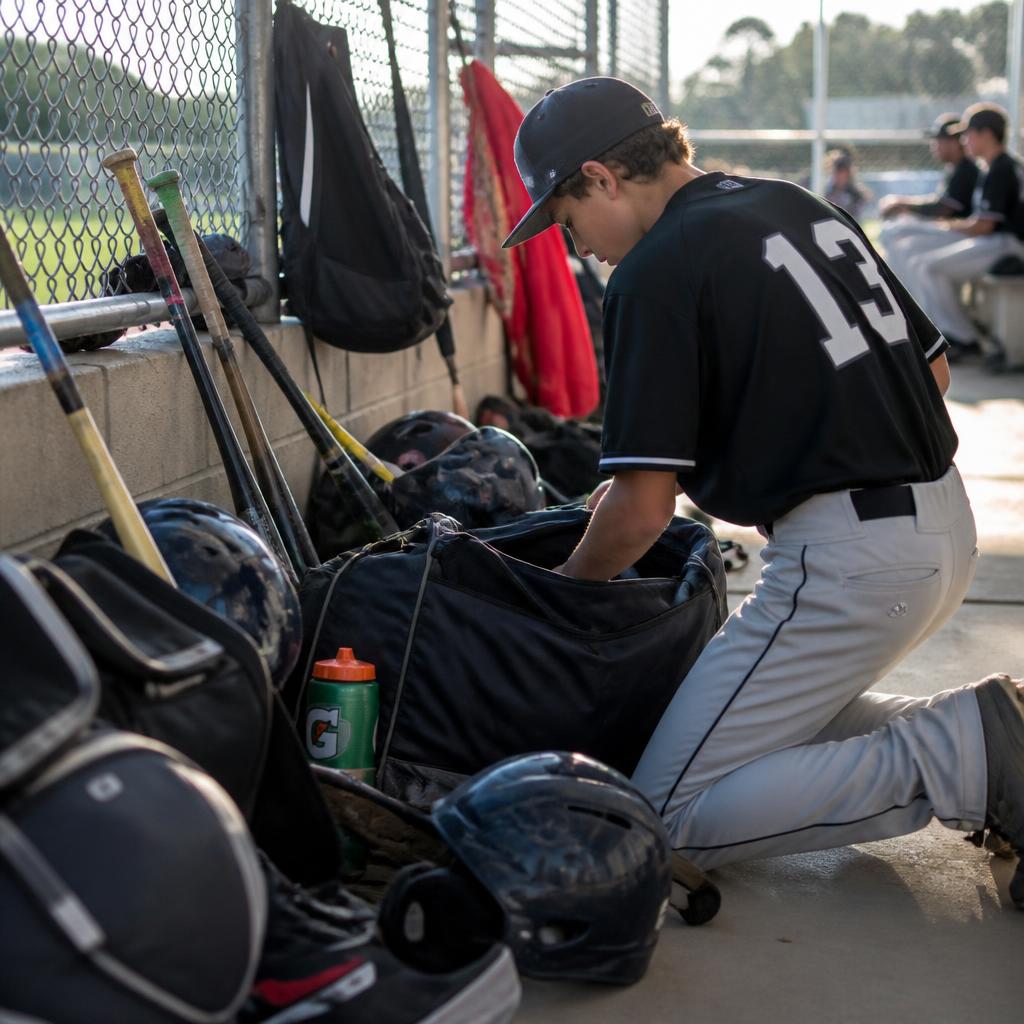
The primary source of tournament stress is almost always a failure of gear logistics. When a player is searching for a second sock at 7:00 AM while the team is warming up on Field 4, the entire family’s stress level spikes. The solution is to treat the vehicle not as a transport vessel, but as a mobile command center. This starts with a "zonal" loading strategy. The trunk should be divided into three distinct zones: the Active Zone, the Reserve Zone, and the Recovery Zone. The Active Zone contains the immediate essentials—the bat bag, the primary water jug, and the game-day jersey. The Reserve Zone holds the "just in case" items: extra socks, a backup belt, a sewing kit for torn pants, and a second pair of cleats for when the first pair inevitably becomes caked in mud.
The goal of gear management is to eliminate the 'emergency' from the weekend, ensuring that every transition between games is a moment of rest rather than a frantic search for a missing glove.
The "Dirty Gear Protocol" is essential. After a triple-header, a uniform is a biohazard. Keep a heavy-duty plastic bin in the trunk for soiled items. As soon as the final out is recorded, the jersey and socks go into the bin, and the player changes into "transition clothes." This prevents the dugout smell from permeating the car and ensures the hotel room remains a sanctuary. By centralizing the mess, you simplify the Saturday night laundry run.
The Fueling Station: Beyond the Snack Shack
It is a well-documented phenomenon that a diet consisting entirely of concession stand nachos and blue raspberry ICEEs is not conducive to peak athletic performance or parental patience. However, the logistics of feeding a family for three days on the road are daunting. The "Cooler System" is the heartbeat of the sustainable weekend. Rather than one large, heavy cooler that requires a forklift to move, the practical parent uses a two-tiered approach: the "Deep Storage" cooler and the "Active Day" bag. The Deep Storage cooler stays in the hotel or the trunk, packed with bulk proteins, pre-cut vegetables, and gallon jugs of water. The Active Day bag is a smaller, portable insulated pack that carries only what is needed for the next four hours.
This prevents "soggy sandwich" syndrome and ensures food stays safe in the heat. Focus on low-glycemic fuels like almond butter wraps and chilled grapes rather than the sugar crashes of concession snacks. For parents, an insulated carafe of home-brewed coffee saves time and money, keeping the command center alert during long stretches between games.
The Sibling Ecosystem: Keeping the Peace
For every player, there is often a sibling enduring the heat in the name of family support. A sustainable weekend requires a strategy for these "bench players." The "Sibling Kit" is non-negotiable—a structured rotation of activities designed to match a seven-inning game.
The kit should include high-engagement activities and passive entertainment for the final innings. More importantly, designate a "Sibling Territory"—a patch of shade that is their own. Give them a role, like tracking the pitch count. When a sibling feels like a participant, the family’s collective energy remains higher, and Sunday morning complaints disappear.
A sustainable weekend isn't built on grand gestures; it’s built on the accumulation of small, efficient choices that protect the family’s collective patience.
The Hotel Sanctuary: Managing the Basecamp
The hotel room is the most volatile variable in the tournament equation. A standard double-queen room was never designed to house four people, three bat bags, and a week’s worth of laundry. To survive, the room must be organized with military precision the moment you check in. Designate a "Mud Room" area near the door for all shoes and bags. Use the bathroom’s towel racks not just for towels, but as a drying station for jerseys that have been hand-washed in the sink. The practical parent also brings a small, portable power strip; in a world of tablets, phones, and rechargeable fans, the two available outlets behind the nightstand are never enough.
Noise management is the final piece. The "Tournament Hotel" is notoriously loud. A portable white noise machine can be the difference between restorative sleep and a player "zombie-walking" through their Sunday at-bats. By treating the room as a recovery center, you mitigate the physical toll of the weekend.
The Physical and Mental Reset: Recovery Protocols
By the time Sunday morning bracket play arrives, every player on the field is operating at less than one hundred percent. The teams that succeed are those that have prioritized recovery logistics. This isn't about expensive massage tools or ice baths; it’s about the simple, repeatable systems that flush the legs and reset the mind. A "Post-Game Protocol" should be standard: fifteen minutes of light stretching, immediate rehydration with electrolytes, and a "Mental Flush." The Mental Flush is a three-minute window where the player is allowed to vent about the game—the bad calls, the missed swings, the frustrations—and then, once the timer hits zero, the game is left behind.
For parents, recovery is vital. The strain of watching your child compete creates a unique fatigue. Schedule "Non-Baseball Windows"—a thirty-minute walk or a dinner where baseball talk is forbidden. These breaks prevent burnout and ensure you return home feeling like you’ve had an experience, not just survived a trial.
The Sunday Finish: The Art of the Sustainable Exit
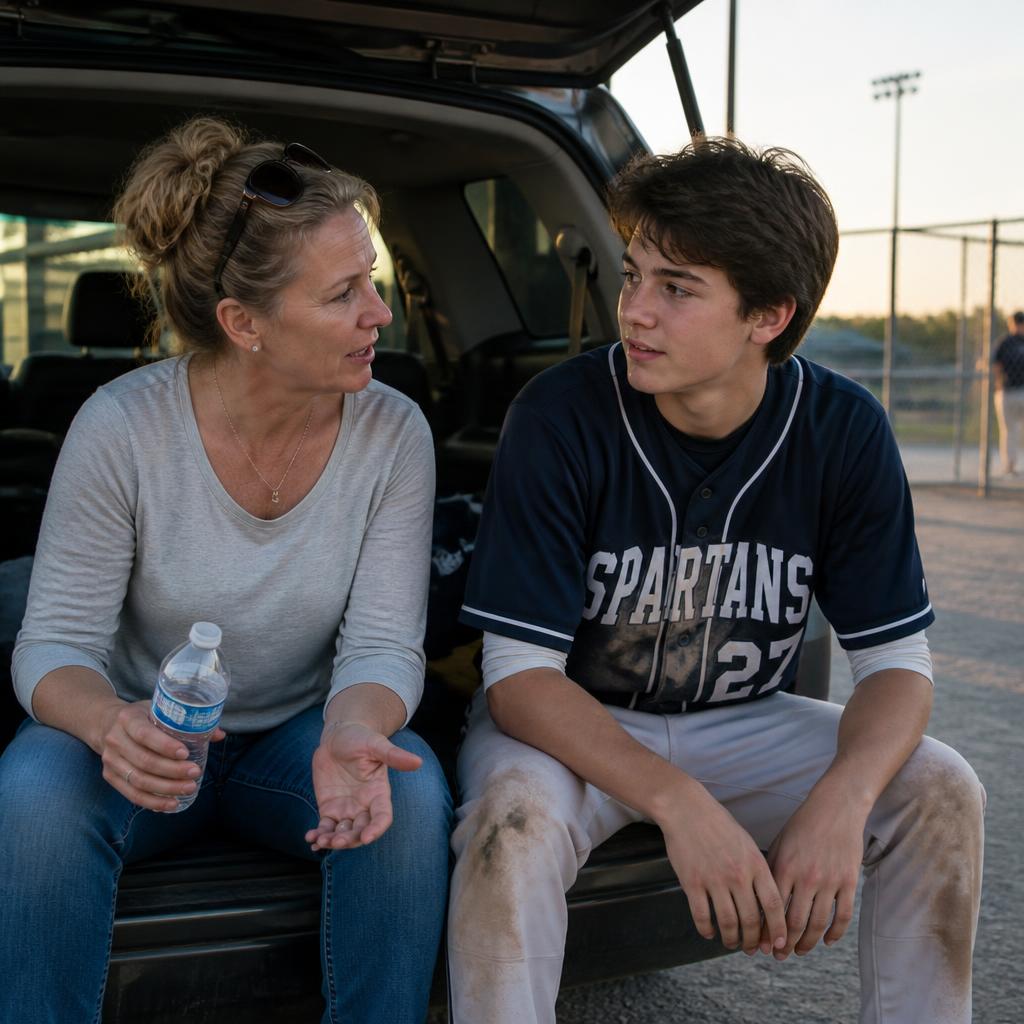
The final game of a tournament is often followed by a frantic, exhausted scramble to pack the car and hit the road. This "Sunday Scramble" is where most arguments happen and where expensive equipment is left behind in the dugout. The sustainable exit starts on Saturday night. By packing the "Reserve Zone" of the car before you even leave for the fields on Sunday, you reduce the post-game workload by fifty percent. The goal is to be able to go from the trophy ceremony to the highway in under fifteen minutes.
The exit strategy should also include a "Post-Tournament Decompression" plan. The drive home is not the time for a detailed analysis of the weekend’s errors. Instead, it should be a time for physical rest and low-stakes connection. Have a pre-selected audiobook or a family-favorite playlist ready to go. By the time you pull into your own driveway, the goal is not just to have survived the weekend, but to have maintained enough energy that the prospect of doing it all again in two weeks doesn't feel like a burden.
The Quiet Power of the Repeatable Reset
Ultimately, the logistics of a tournament weekend are a reflection of a larger philosophy: that the environment we create around a player is just as important as the coaching they receive on the field. A child who enters the dugout from a calm, organized, and supportive environment will always perform better than one who arrives in a whirlwind of stress and forgotten gear. But these systems are not just for the player; they are for the family. They are the guardrails that prevent the sport from consuming the household.
As you stand by the car on Sunday afternoon, watching the dust settle on the fields and the long line of tail-lights snaking toward the exit, take a moment to implement a small, repeatable confidence practice. Before the engine starts, ask your player to name one moment from the weekend where they felt completely in control—not a home run or a strikeout, but a moment where they felt their breath, their feet on the dirt, and their mind quiet. And then, as a parent, do the same. Identify one moment where you chose a system over stress, or patience over frustration. This simple reflection anchors the weekend in something more permanent than a scoreline. It reminds us that while the logistics manage the chaos, the practice manages the person. And in the long, winding journey of a baseball season, that is the only thing that truly scales.