Why the first 20 minutes after a game define your child’s relationship with the sport.
Why the first 20 minutes after a game define your child’s relationship with the sport.
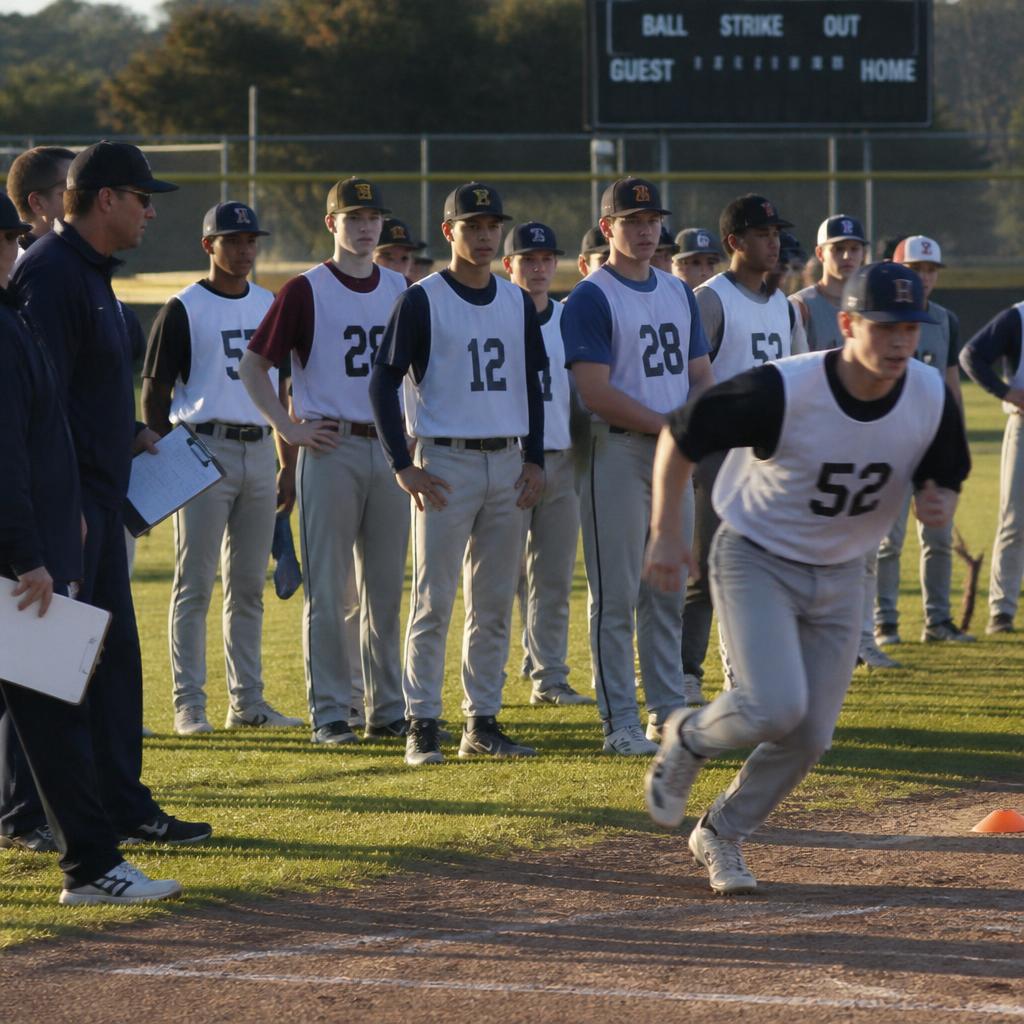
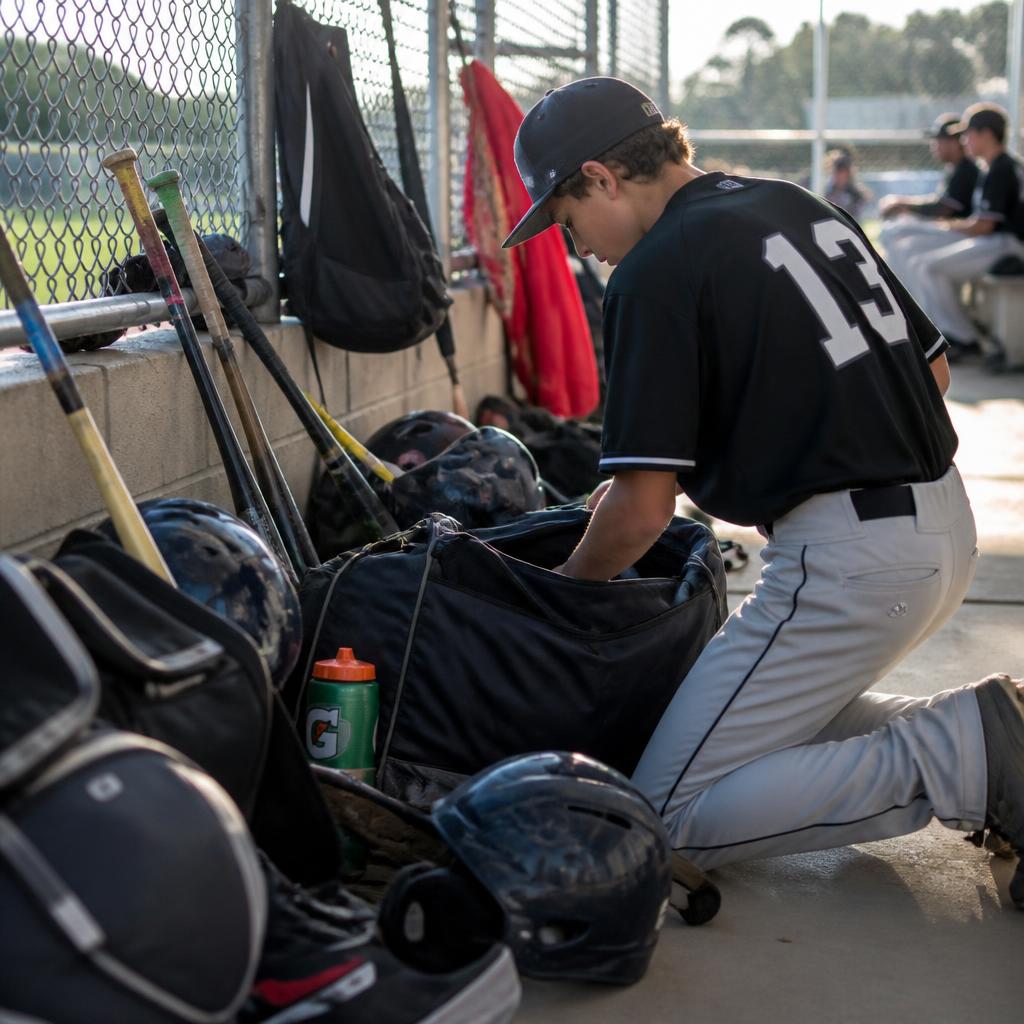
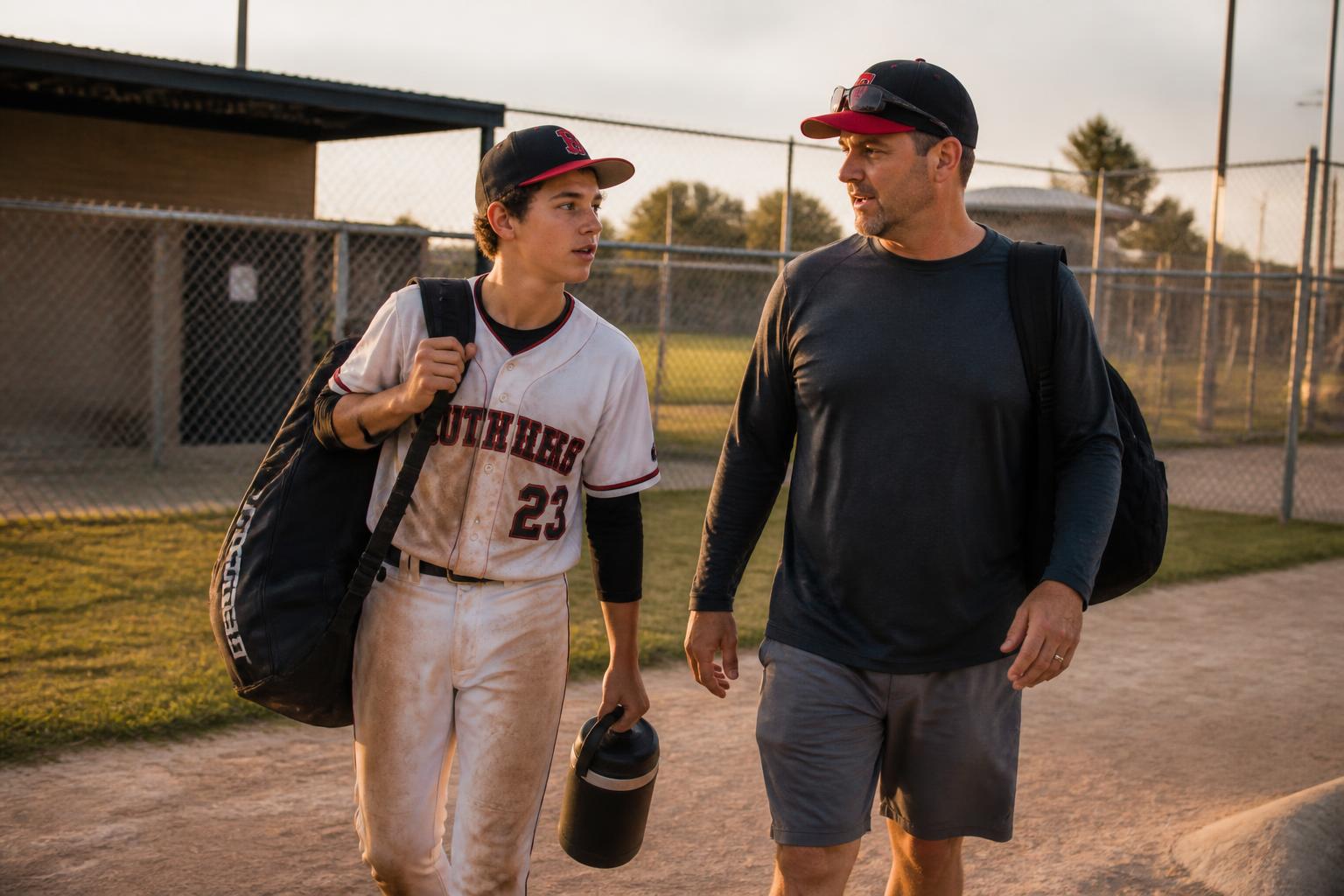
The sun is beginning to dip below the horizon, casting long, amber shadows across the infield dirt. The dust from the final play is still settling, and the sounds of the ballpark—the rhythmic clinking of metal bats being packed into bags, the distant chatter of the winning team, and the heavy silence of the losing one—fill the evening air. You walk toward the parking lot, your child a few paces behind, head down, dragging their gear bag. The weight of the game, whether it was a triumph or a heartbreak, hangs heavy in the humid air.
This is the moment. The walk to the car and the subsequent twenty-minute drive home represent a critical window in a young athlete's journey. It is a period of emotional vulnerability where the bond between parent and player is either fortified or fractured. For many parents, the instinct is to fill the silence with analysis, to fix the mechanical flaws that led to the strikeout in the third inning, or to offer a spirited defense of why the umpire’s call was unjust. But the reality of youth sports is that the scoreboard in the outfield matters far less than the internal dialogue a child develops during this ride home.
1. The Power of "I Love to Watch You Play"
If there is one phrase that should be etched into the dashboard of every parent’s vehicle, it is this: "I love to watch you play." It sounds deceptively simple, perhaps even overly sentimental to the competitive parent, but its psychological impact is profound. In a world where children are constantly evaluated—by grades, by stats, by social standing—this statement provides a rare sanctuary of unconditional support.
When you tell your child you love watching them play, you are decoupling their value as a person from their performance as an athlete. You aren't saying you love it when they hit a home run, or you love it when they make the diving catch. You are saying that their presence on that field, their effort, and their participation bring you joy regardless of the outcome. This creates a foundation of emotional safety. When a player knows that their parent’s affection isn't tied to the box score, they feel free to take risks, to fail, and ultimately, to grow.
2. "What Was Your Favorite Part of the Game?"
Shifting the narrative from "What went wrong?" to "What was fun?" is a vital step in maintaining a child’s love for the sport. Baseball is a game defined by its challenges; it is one of the few disciplines where failing more often than one succeeds is the expected path to excellence. If the post-game conversation always centers on the failures, the sport quickly becomes a chore—a source of anxiety rather than a source of joy.
By asking about their favorite part, you are inviting them to reclaim the positive aspects of their experience. Maybe it wasn't a play they made; maybe it was a joke shared in the dugout or a great catch a teammate made. This question encourages them to look for the silver linings and reinforces the idea that the social and experiential aspects of the game are just as important as the competitive ones. It allows them to breathe and remember why they started playing in the first place.
The car ride home isn't a classroom; it's a recovery room where the heart needs to heal before the mind can learn.
3. "I Saw How Hard You Worked on Your Footwork"
General praise like "Good job" is often white noise to a young player. They know when they didn't have a "good" game. However, specific, effort-based observations are transformative. Instead of commenting on the result—the out at first base—comment on the process that led to it.
When you highlight a specific area where they’ve been putting in work, you are validating their work ethic. "I noticed how you stayed down on that ground ball in the fourth," or "I saw you taking those deep breaths before your last at-bat like we talked about." This reinforces a growth mindset—the belief that abilities can be developed through dedication and hard work. It teaches them that you are paying attention to their progress, not just the final score. This kind of observation builds a bridge between practice and performance that technical criticism never could.
4. "It’s Okay to Be Frustrated Right Now"
One of the greatest gifts a parent can give a young athlete is the permission to feel. Sports are emotional. There is frustration, anger, sadness, and disappointment. Often, parents try to "fix" these feelings immediately. "Don't be sad, it's just a game," or "You'll get 'em next time." While well-intentioned, these phrases can feel dismissive.
Instead, validate their experience. "I can see you're really frustrated about that call, and that's okay. It’s tough when things don't go your way." By acknowledging their emotions without trying to change them, you are modeling emotional maturity. You are showing them that you are a safe space for their big feelings. Once a child feels heard and understood, the intensity of the emotion usually begins to dissipate on its own. They don't need a solution in the first twenty minutes; they need a witness.
5. "What Do You Want to Eat?"
This might seem like a mundane logistical question, but in the context of a post-game car ride, it serves as a powerful signal of normalcy. It communicates that the game is over, the roles of "player" and "coach" are set aside, and you are back to being "parent" and "child."
Focusing on a shared meal or a simple evening plan shifts the focus from the stress of competition to the comfort of family life. It reminds the child that there is a world outside the diamond where they are safe, fed, and loved. It’s a subtle way of saying, "The game happened, but it doesn't define our night." This transition is crucial for preventing the "hangover" effect, where a bad game ruins the entire evening for the family.
6. "I’m Proud of How You Handled That Situation"
Character is revealed in the moments between the plays. Did the player cheer for a teammate who was struggling? Did they respect the umpire even when they disagreed? Did they hustle off the field after a strikeout? These are the moments that define who they are becoming.
When you point out these character-based actions, you are setting a standard for what truly matters. "I was really proud of how you went over to check on the pitcher after he got hit," or "I loved seeing you be the first one out of the dugout to high-five your teammates." This tells the child that while you care about their development as a player, you care infinitely more about their development as a human being. It shifts the goalposts from "winning" to "integrity."
7. "Do You Want to Talk About the Game, or Just Listen to Music?"
Perhaps the most respectful thing a parent can do is offer the child agency over the conversation. Some kids need to vent immediately. Others need hours, or even a full day, to process what happened before they are ready to discuss it. By giving them the choice, you are respecting their boundaries and their process.
If they choose music or silence, honor it. This isn't a rejection of the parent; it’s a preservation of the self. When you give them the space to come to you when they are ready, they are much more likely to actually listen to what you have to say. It transforms the post-game discussion from a forced interrogation into a voluntary dialogue.
The environment we create in the car often determines whether a child sees the ballfield as a place of growth or a place of judgment.
Three Critical Things to Avoid
While knowing what to say is vital, knowing what to withhold is equally important. The "Car Ride Autopsy" is a common trap that well-meaning parents fall into, often with unintended consequences for the child’s confidence.
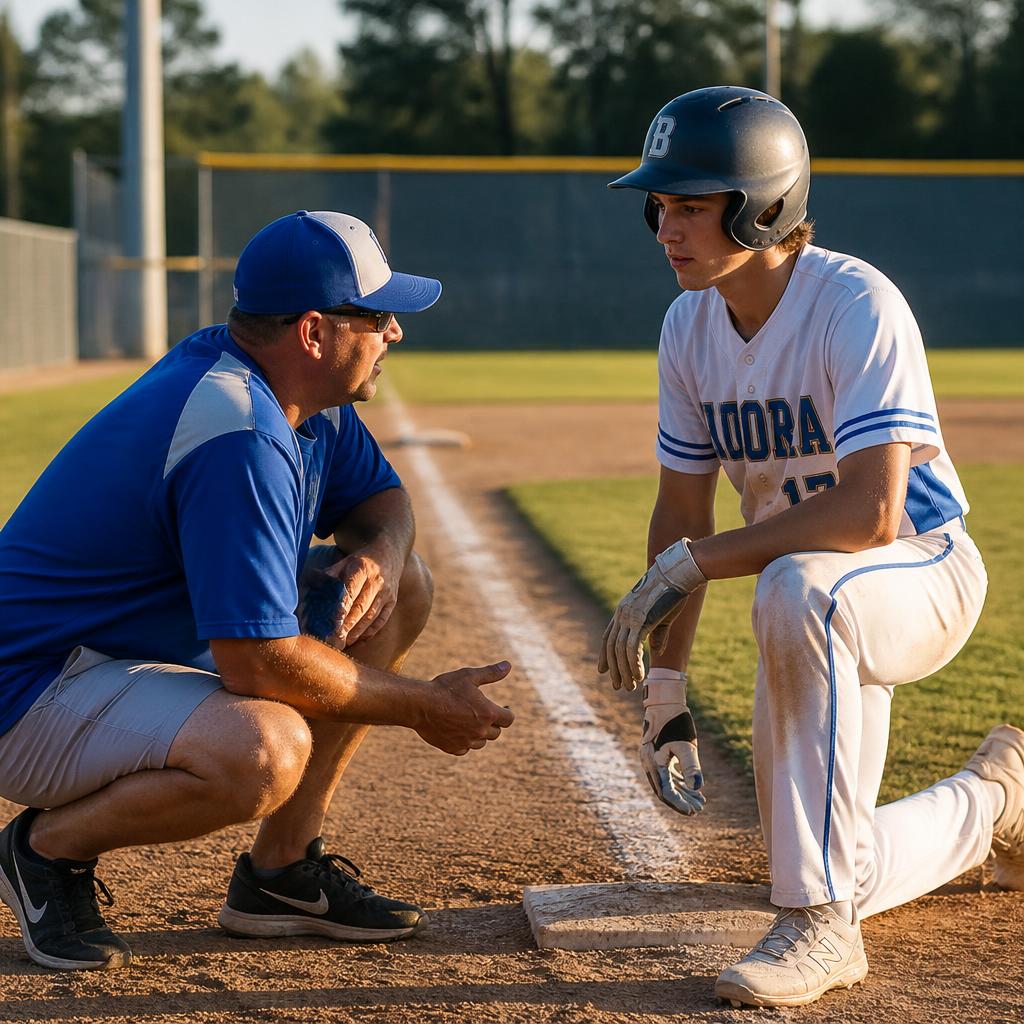
The Technical Autopsy The drive home is not the time for a hitting lesson. When a child is emotionally raw from a game, their brain is often in a state of heightened stress, not a state of learning. Any technical advice given—no matter how accurate—will likely be perceived as criticism. "You were dropping your shoulder again" or "You need to stay back on the changeup" only serves to remind them of their failure at a time when they are already feeling low. Save the coaching for the backyard or the next practice.
The Teammate Comparison "Did you see how Jimmy stayed focused the whole time?" or "Why can't you hustle like Sarah does?" Comparisons are the enemy of team chemistry and personal confidence. When you compare your child to their teammates, you are teaching them to view their peers as rivals rather than collaborators. It creates resentment and breeds an environment of insecurity. A child’s journey is theirs alone; let them run their own race.
The "We" Language "We really struggled at the plate today," or "We need to work on our fielding." Unless the parent was actually in the batter's box, there is no "we" in the performance. Using "we" can feel suffocating to a child, as if the parent's identity is so wrapped up in theirs that they can't breathe. It places an enormous burden on their shoulders to perform for the parent's sake, not their own. Keep the boundaries clear: they play, you support.
The Path Forward
Building a resilient, confident athlete doesn't happen during the high-pressure moments of a championship game. It happens in the quiet, mundane stretches of time—like the ride home. It’s about creating a consistent environment where the child feels valued for who they are, not just what they do.
One of the most effective ways to bridge the gap between the intensity of the game and the peace of home is to implement a simple, repeatable confidence practice. Before getting out of the car, invite the player to name one thing they did well—no matter how small—and one thing they are grateful for about the day. This simple act of intentional reflection helps clear the emotional slate. It allows the player to leave the frustrations of the game in the car and walk into the house with their head held high, ready to be a kid again. By mastering the art of the car ride home, you aren't just helping them become a better ballplayer; you're helping them navigate the ups and downs of life with grace and confidence.