Building a bridge between the dugout and the stands for a better player experience.
Building a bridge between the dugout and the stands for a better player experience.
The morning dew still clings to the infield grass, and the scent of pine tar and leather hangs in the air. It’s a scene that plays out on thousands of diamonds every spring. In the dugout, twelve-year-olds are bumping gloves, trying to remember the signs for a bunt or a steal. In the stands, parents are unfolding lawn chairs and clutching coffee thermoses, bracing themselves for the emotional rollercoaster of a seven-inning game.
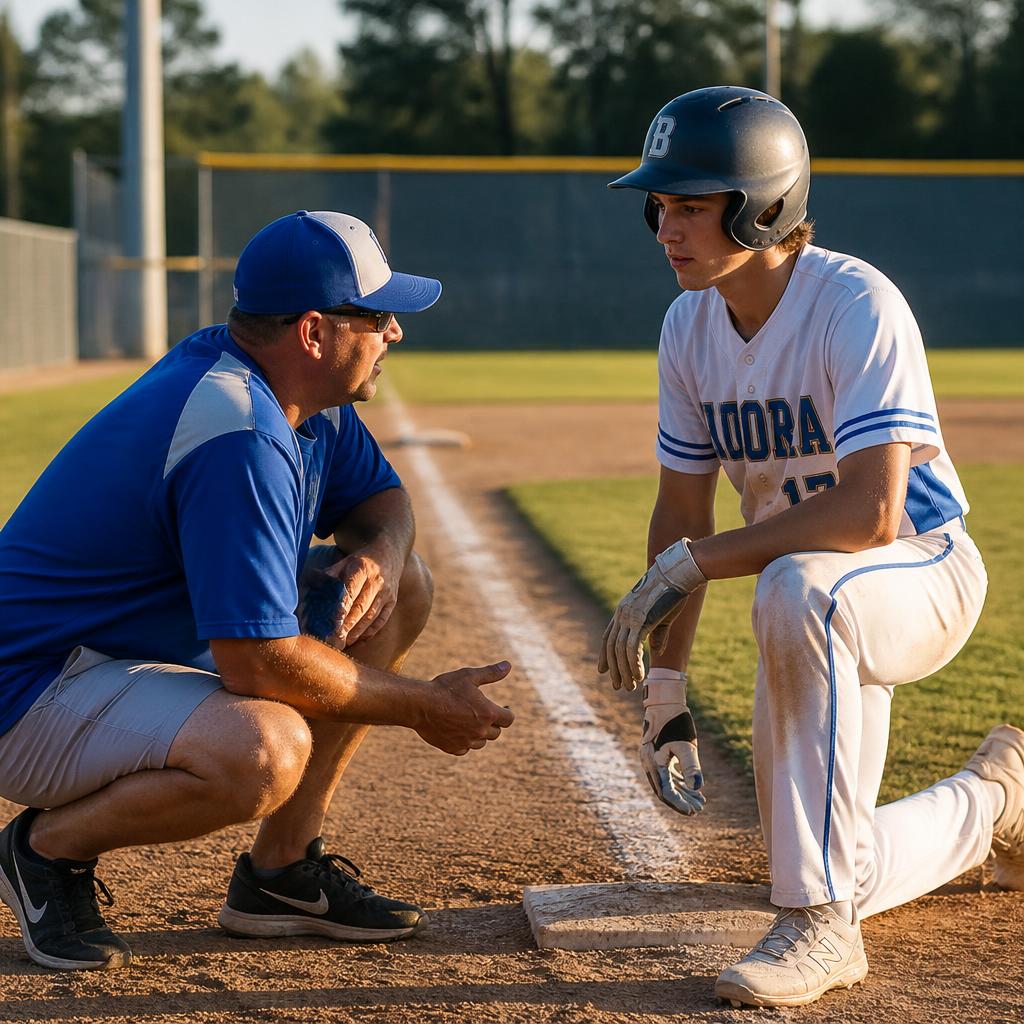
From the third-base coach’s box, I see more than just the play at the plate. I see the quick glance a shortstop steals toward the bleachers after a bobbled grounder. I see a pitcher’s shoulders slump not because he gave up a hit, but because he heard a familiar voice shouting "just throw strikes" from behind the backstop. There is a palpable energy that flows between the stands and the dugout, and often, that energy is vibrating with a quiet, underlying anxiety.
We all want the same thing: for these kids to fall in love with the game, build resilience, and find that spark of confidence that carries them into a successful adult life. But there is often a bridge missing between the dugout and the stands—a gap in understanding that can turn a season of growth into one of stress. As we head into another year of doubleheaders, here are seven things I wish every parent understood about the view from the dugout.
1. The 24-Hour Rule is About Emotional Safety
Most people think the 24-hour rule—waiting a full day before approaching a coach about playing time or strategy—exists to protect the coach from an angry parent. While that’s a nice side effect, it’s not the primary reason. The 24-hour rule is designed to protect your child’s emotional safety.
When a game ends, adrenaline is high. If it was a loss, the sting is fresh. In those immediate moments, a child is incredibly vulnerable to their parents' emotional state. If you voice frustration with the coach in the parking lot, you force your child to choose sides. You inadvertently teach them that the authority figure they just spent two hours listening to is not to be trusted, which creates internal conflict and anxiety.
By waiting 24 hours, you allow the "emotional dust" to settle. You move from a reactive state to a reflective one. More importantly, you give your child space to process the game on their own terms. When you finally do speak with the coach, the conversation will be grounded in logic and shared goals rather than the heat of a missed call.
2. The Conflict of the "Second Coach"
Imagine you are at your job, working on a complex project. Your manager has given you specific instructions. Suddenly, a well-meaning friend shows up at your office window and starts shouting different directives. "Don't do it that way! Use the other software!" You would be paralyzed, unable to perform effectively.
This is exactly what happens to a young player when they hear "sideline coaching." When a coach tells a player to stay back on a ball and a parent shouts "charge it," the player is caught in a no-win situation. If they listen to the coach, they feel they are disobeying their parent. If they listen to the parent, they are disregarding the team’s strategy.
The most effective thing a parent can say from the stands isn't a directive; it's an affirmation of effort that doesn't require the player to think, only to feel supported.
When a child is on the field, they need to be fully immersed in the game and the coaching staff's instructions. This allows them to develop their own "baseball IQ" and trust their instincts. Your role in the stands isn't to be the second coach; it's to be the primary supporter. Let the dugout be the only source of instruction during the game.
3. Development Happens in the Dark
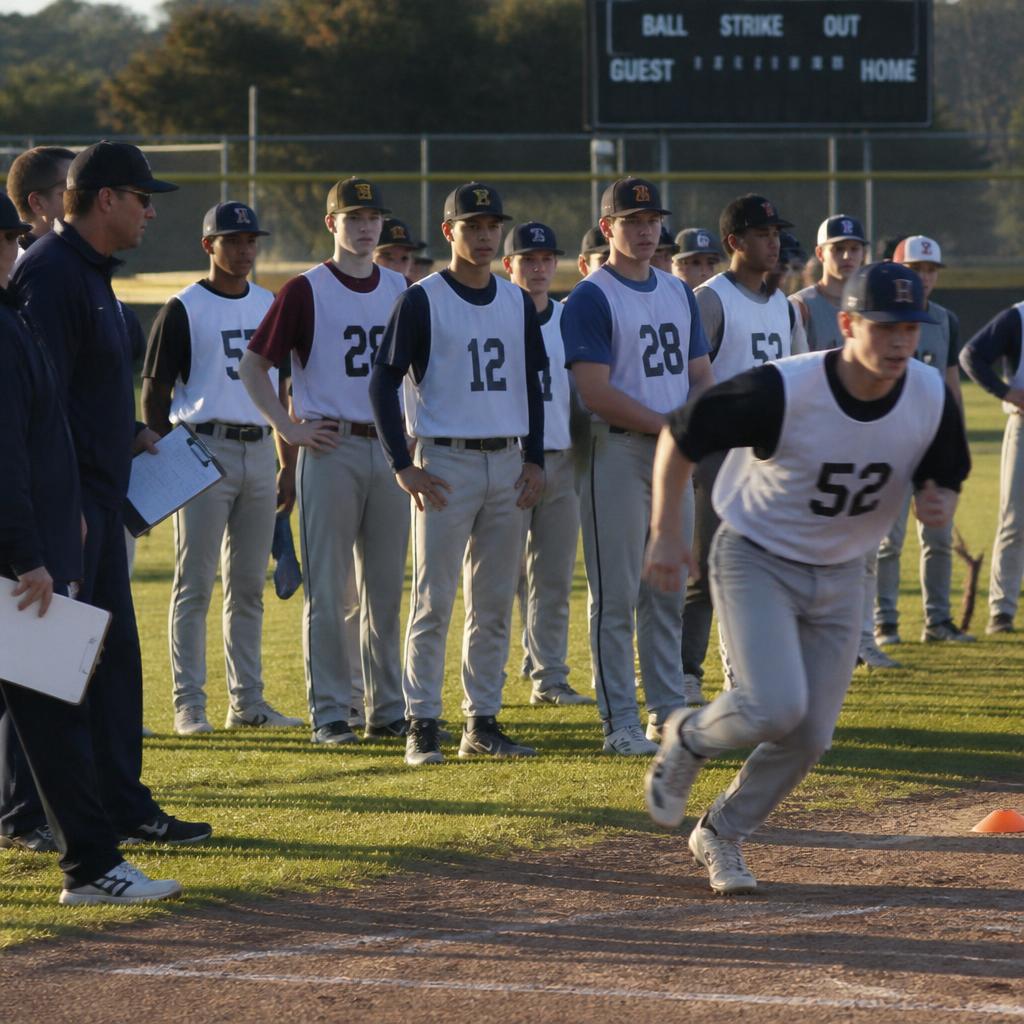
In the age of highlight reels, it’s easy to believe that progress is a linear path of constant improvement. We see the home run or the diving catch and think, "He’s finally arrived." But true development happens in the "dark"—in the thousands of repetitions no one sees and the failures that never make the reel.
A player might go 0-for-4, but if they had three quality at-bats where they saw seven pitches each and stayed balanced, that is a massive win. To a parent, it looks like a bad day. To a coach, it looks like a breakthrough. We are looking for subtle shifts in mechanics, improved mental approach, and the ability to handle failure with grace.
When parents focus solely on the box score, they miss the actual growth occurring. If you want to help your child, ask about the process rather than the outcome. Instead of "How many hits did you get?" try "What did you see out there today?" When we align our definitions of success, the player feels less pressure to perform and more freedom to develop.
5. The Scoreboard is the Least Interesting Thing We Track
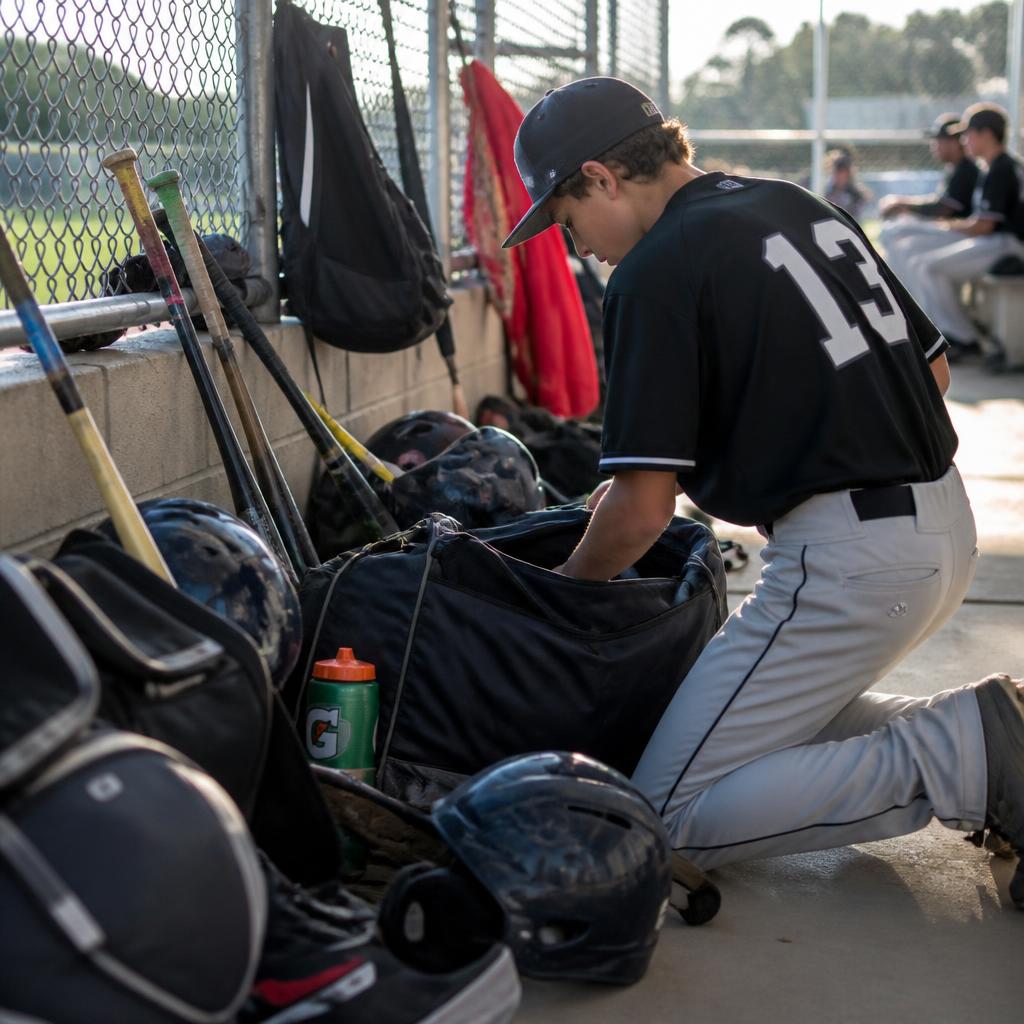
I love to win, but in youth baseball, the scoreboard is a lagging indicator. It tells us what happened, but not why or if it will happen again. As coaches, we track things the scoreboard ignores: How does a player react when they strike out? Do they cheer for teammates from the bench? Do they take care of their equipment?
These "intangibles" are the foundation of a successful player and person. A team can win while playing "bad" baseball—relying on errors rather than skill. Conversely, a team can lose while playing "great" baseball. If we only celebrate the wins, we teach kids that the result justifies the means, which is a dangerous lesson for their long-term development.
True athletic character isn't built in the moments of triumph, but in the quiet discipline of the dugout when the score is lopsided and the sun is beating down.
We want parents to help us reinforce these values. When you see a teammate pick up another player who is down, point it out. When you see your child hustle off the field after a tough inning, celebrate it. When we focus on the character traits that lead to success, the wins eventually take care of themselves.
5. Your Body Language is a Loudspeaker
Kids are masters of non-verbal communication. They can sense a parent’s frustration from a hundred feet away. I’ve watched players look up at the stands after a mistake, not to see if their parent is okay, but to gauge how much "trouble" they are in based on a father’s crossed arms or a mother’s turned head.
If you are pacing, sighing loudly at every umpire’s call, or throwing your hands up in frustration, you are broadcasting anxiety directly to your child. That anxiety acts like a weight, making their movements stiff and their decision-making clouded. A player who is afraid of disappointing their parents will never play with the freedom necessary to reach their full potential.
Try to be a "calm harbor." Even when the game is intense, your physical presence should signal that everything is okay. A simple nod, a relaxed posture, or a genuine smile can do more for a player’s confidence than any pep talk. When they look at the stands, they should see a source of unwavering support, not a barometer of their performance.
6. The "Fairness" Trap
Managing playing time and positions is one of the hardest parts of coaching. Every parent wants their child to play shortstop and bat third. But a team is a puzzle, and every piece has a specific role. Sometimes, a player needs to spend time in the outfield to understand the geometry of the game or bat lower in the order to find their rhythm.
The trap many parents fall into is the "fairness" argument. In baseball, as in life, fairness is subjective. What is "fair" to one player might be a missed opportunity for another. As coaches, we make decisions based on the collective needs of the team and the individual development of every child on the roster.
When parents complain about "fairness" to their children, they inadvertently foster a victim mentality. They teach them that if things aren't going their way, it must be because someone else is being treated better. Instead, encourage your child to ask, "What can I work on to earn more time at shortstop?" This shifts the power back to the player and fosters a growth mindset.
7. The Car Ride Home is Holy Ground
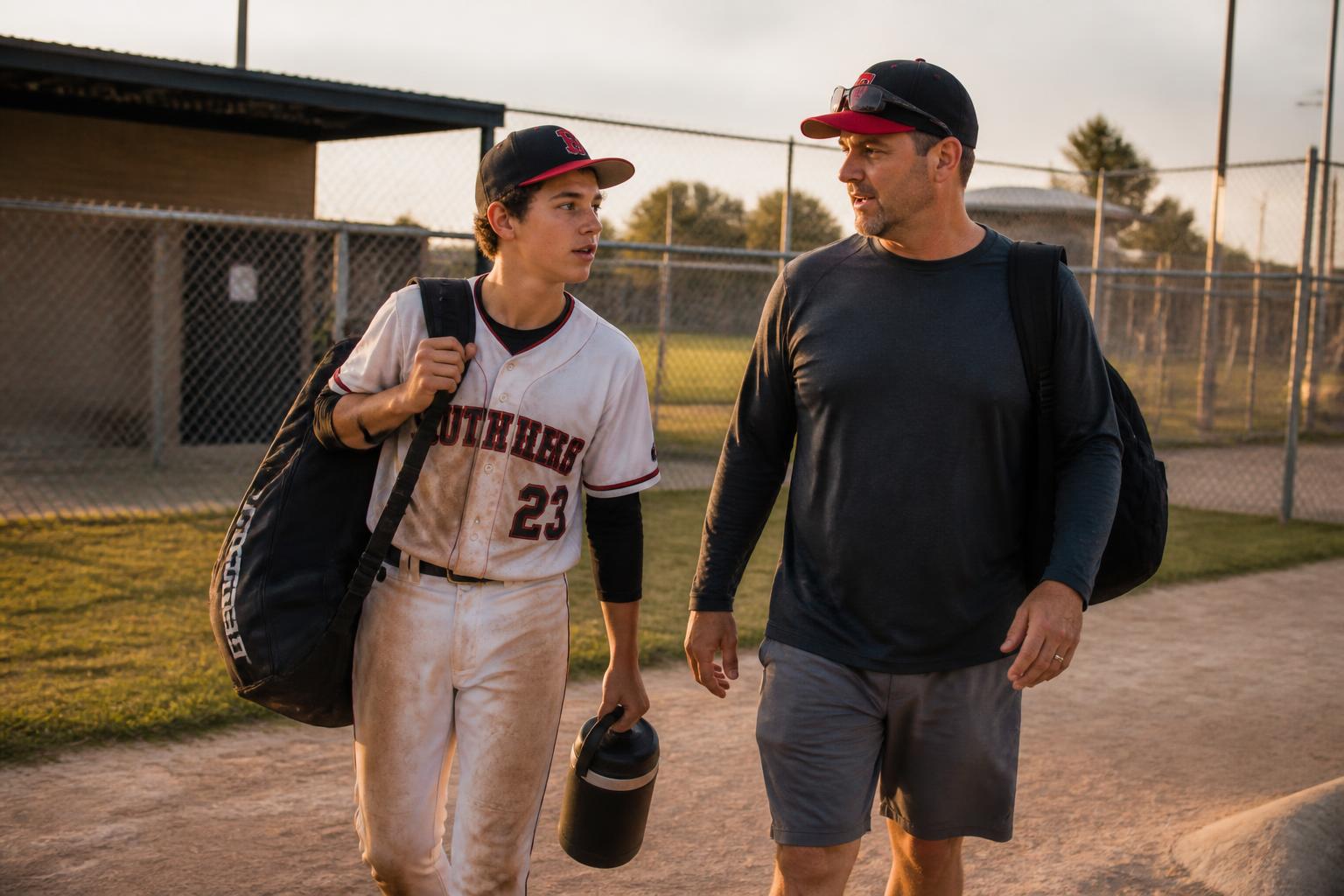
If I could change one thing about youth sports, it would be the conversation in the car on the way home. For many players, this is the most stressful part of the day—a captive audience where they are subjected to a play-by-play critique of every mistake they made.
The car ride home should be a sanctuary. It’s a time for decompressing, talking about dinner, or just listening to music. Unless your child brings up the game, let it go. They already know they missed the fly ball or swung at a pitch in the dirt. They don't need a lecture on the way to the post-game meal.
The best thing you can say in the car is: "I loved watching you play today." That’s it. No "but," no "next time," no "if only." Just the simple acknowledgment that you enjoy being a witness to their journey. When a child knows your love and approval are not tied to their batting average, they are free to take the risks necessary to become truly great.
***
Building a bridge between the dugout and the stands isn't about eliminating all tension; it’s about ensuring that the tension serves the player’s growth. When coaches and parents are aligned, the game becomes a laboratory for character rather than a pressure cooker for performance.
As you prepare for the season, consider a small, repeatable practice. Before the first pitch, take thirty seconds to breathe and remind yourself why you are there. Focus on one thing you want to appreciate about your child’s effort today, regardless of the outcome. This simple shift—moving from a critic to a witness—can transform the energy of the entire ballpark. It creates a space where a player can step into the box not with the weight of expectations, but with the quiet confidence of knowing they are exactly where they are supposed to be.