What I watched happen over three seasons changed everything I thought I knew about talent.
His name was Marcus. He was eleven years old when I first saw him, and I will be honest with you: my first thought was that he was going to struggle.
He was small for his age. His swing was long and loopy. He threw with a hitch that his previous coaches had apparently been trying to fix for two years without success. When he ran, he looked like he was working harder than everyone else and going slower.
The other kids on the team were bigger, faster, and more polished. There were two or three players in that group who had the kind of natural ability you notice immediately — the fluidity, the ease, the way the game seemed to slow down for them.
Marcus was not one of those players.
Three seasons later, he was the best player on the team.
What I Noticed First
The thing I noticed about Marcus before I noticed anything else was that he was always early.
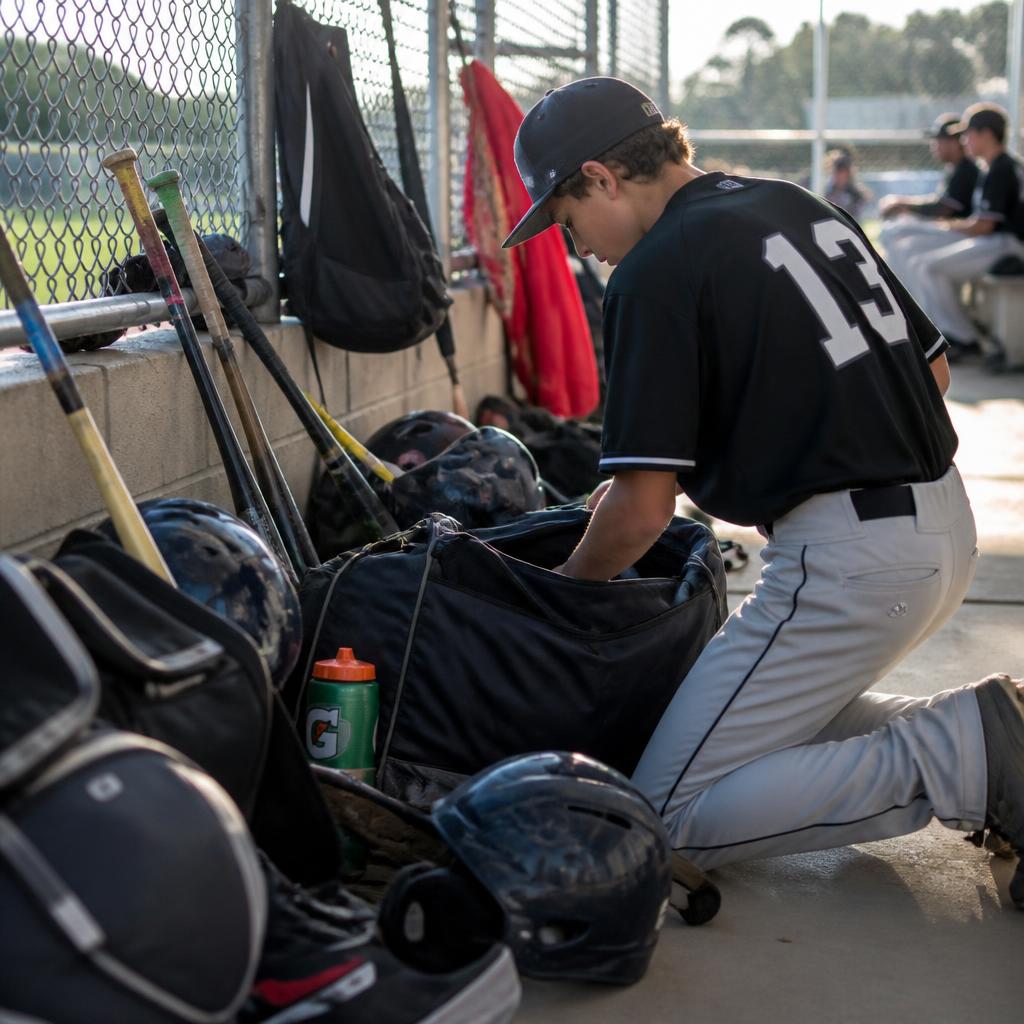
Not just on time. Early. He was at the field before I was. He was taking grounders before the other kids had finished putting on their cleats. He stayed after practice asking questions — not the kind of questions kids ask to seem engaged, but real questions. Specific ones. "Why do you want me to stay back on the breaking ball?" "What should I be thinking about when I'm in the hole?"
He had a notebook. An actual spiral notebook that he brought to every practice and every game. He wrote things down.
I had coached a lot of kids by then. I had never seen a twelve-year-old with a notebook.
"He had a notebook. An actual spiral notebook that he brought to every practice and every game. I had never seen a twelve-year-old with a notebook."
The Players Who Peaked Early
By the end of that first season, the gap between Marcus and the naturally talented kids was still significant. He was working harder than any of them. He was improving faster than any of them. But they were still better.
What I started to notice, though, was something happening with the talented kids that I had seen many times before in my playing career.
They were coasting.
Not lazily — they weren't bad kids, and they weren't disrespectful. But when things came easily, they didn't develop the habits that would sustain them when things got hard. They didn't have routines. They didn't have systems. They didn't have the mental framework for processing a bad day, because they hadn't had many bad days yet.
Marcus had nothing but bad days in that first season. And every single one of them made him better.
Early talent in youth sports is often a liability in disguise. Players who succeed without effort rarely develop the habits, resilience, and mental frameworks that sustained success requires. The player who struggles early and keeps going anyway is building something the talented player is not.
The Shift That Changed Everything
Midway through the second season, something shifted with Marcus.
His mechanics were still not as clean as the top players on the team. His tools were still average. But he had developed something that none of the other kids had in the same measure: an unshakeable belief that he belonged.
I watched him strike out to end an inning in a big tournament game. He walked back to the dugout, sat down, opened his notebook, wrote something, closed it, and was the first one out to take his position in the field. No head down. No sulking. No spiral.
He had built a system for processing failure in real time. And it was working.
Meanwhile, one of the most talented players on the team — a kid who had been the best player in the league for three years — had a rough stretch in that same tournament. Two errors in the field. An 0-for-4 at the plate. By the third game, he was visibly rattled. His body language had collapsed. He was making decisions based on fear instead of confidence.
He had never learned how to fail. And now that he was failing, he had no tools.
"He had never learned how to fail. And now that he was failing, he had no tools. Marcus had spent two years building exactly those tools."
What Talent Actually Predicts
I have been in professional baseball. I have seen what happens to talented players at every level of the game. And I can tell you with complete confidence: talent predicts very little about long-term success.
What predicts long-term success is this: the ability to keep showing up after failure. The ability to maintain confidence when results are not there. The ability to separate your identity from your performance. The ability to trust your preparation when the pressure is highest.
Those are not physical skills. They are mental ones. And they are almost entirely ignored in youth baseball development.
We spend enormous resources identifying and developing physical talent. We spend almost nothing developing the mental foundation that determines whether that talent ever reaches its potential.
Marcus didn't have exceptional physical talent. But he had — or developed — every mental attribute that matters. And by the time he was fourteen, he was the best player on a team full of kids who had been more talented than him at eleven.
What His Parents Did Differently
I got to know Marcus's parents well over those three seasons. They were not baseball people. His dad had played a little in high school but was not a baseball parent in the way I had seen so many times — the ones who lived and died with every at-bat, who had opinions about mechanics, who turned the car ride home into a film session.
They were just present. They came to every game. They cheered. They took him out for ice cream after tough losses. They asked him what he was proud of, not what he needed to fix.
They let baseball be his.
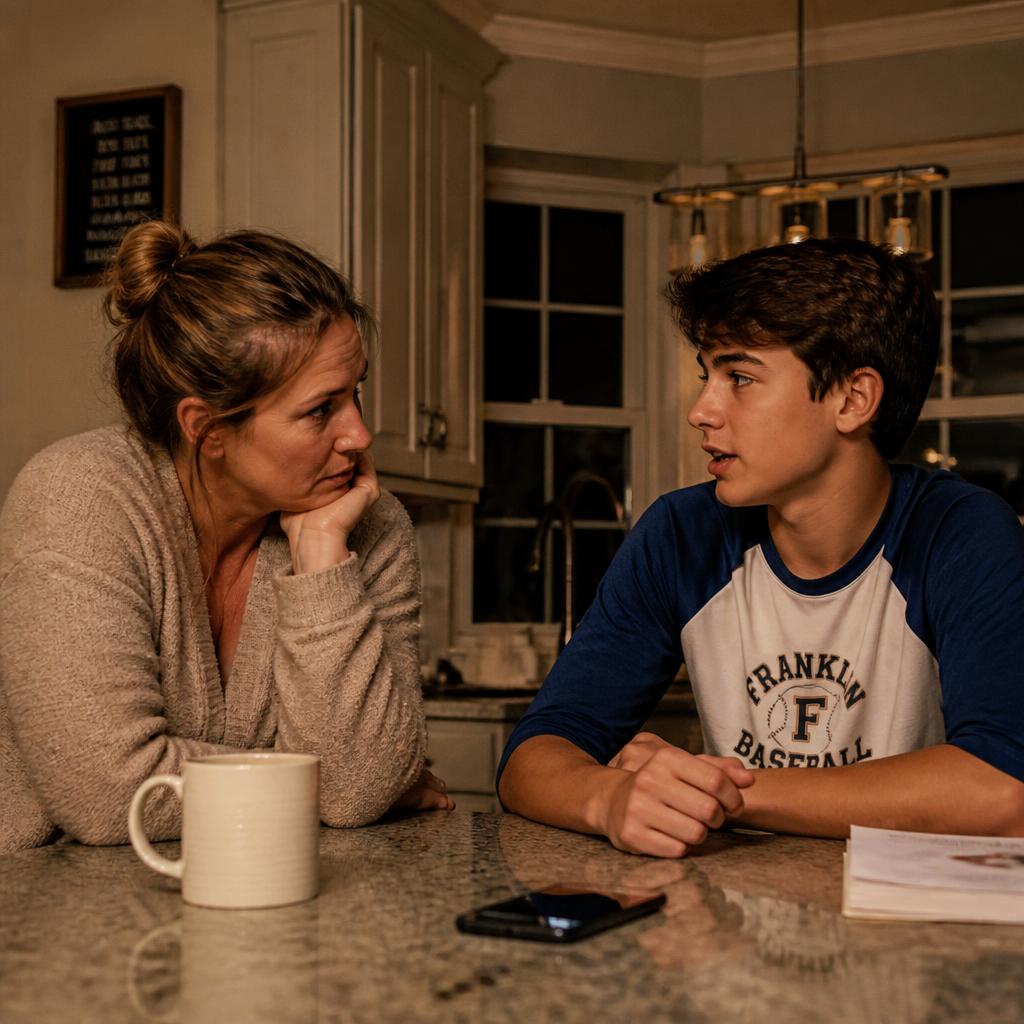
I asked his dad once what he said to Marcus after a bad game. He thought about it for a moment. "I usually just tell him I love watching him play. And then I ask him what he wants for dinner."
That is not a small thing. That is everything.
What This Means for Your Child
If you have a child who is not the most talented player on the team, I want you to hear this: that is not a problem. It might be an advantage.
The players who have to work for it — who face failure early and learn to process it, who develop routines because they have to, who build confidence through effort instead of receiving it as a birthright — those players are building something durable.
Your job as a parent is not to close the talent gap. You cannot do that. Your job is to protect the environment in which your child develops the mental attributes that talent alone cannot provide.
That means letting them struggle without rescuing them. It means celebrating effort over results. It means being the safe place they come back to after a hard game — not the source of additional pressure.
And it means helping them build the mental framework that will serve them not just in baseball, but in everything that comes after.
Practical Takeaways
- Stop measuring your child against the most talented players on the team. Measure them against who they were last month.
- Celebrate process over results: effort, preparation, attitude, and resilience.
- Help your child develop a failure-processing routine — a way to reset after a bad at-bat or a tough inning.
- Let baseball be theirs. Your job is to support, not to manage.
- Remember: the talented player who coasts will eventually be caught by the less talented player who never stops working.
- The mental game is the great equalizer. Invest in it.
What Marcus Taught Me
After years of playing professionally and working with thousands of baseball families, Marcus is the player I think about most when I talk about what actually matters in youth baseball development.
Not because he was exceptional. But because he showed me what is possible when a kid has the right mental foundation — when they believe in themselves, when they have a system for processing failure, when they show up every day with the same commitment regardless of what happened yesterday.
That is what I built Bulletproof Hitter through Baseball Notes to develop. Not a swing. Not mechanics. The mental foundation that makes everything else possible.
It is a daily framework — short, practical, designed for kids who are in the middle of a season and need tools they can use right now. Confidence-building exercises. Failure-processing routines. A pre-at-bat system that quiets the noise and lets players compete instead of think.
Parents who go through it with their kids tell me the same thing every time: "He seems different at the plate. More relaxed. More himself." That is the whole point.
Marcus is in high school now. He is being recruited. The kids who were more talented than him at eleven are mostly not playing anymore.
Talent is a starting point. What you build on top of it is everything.