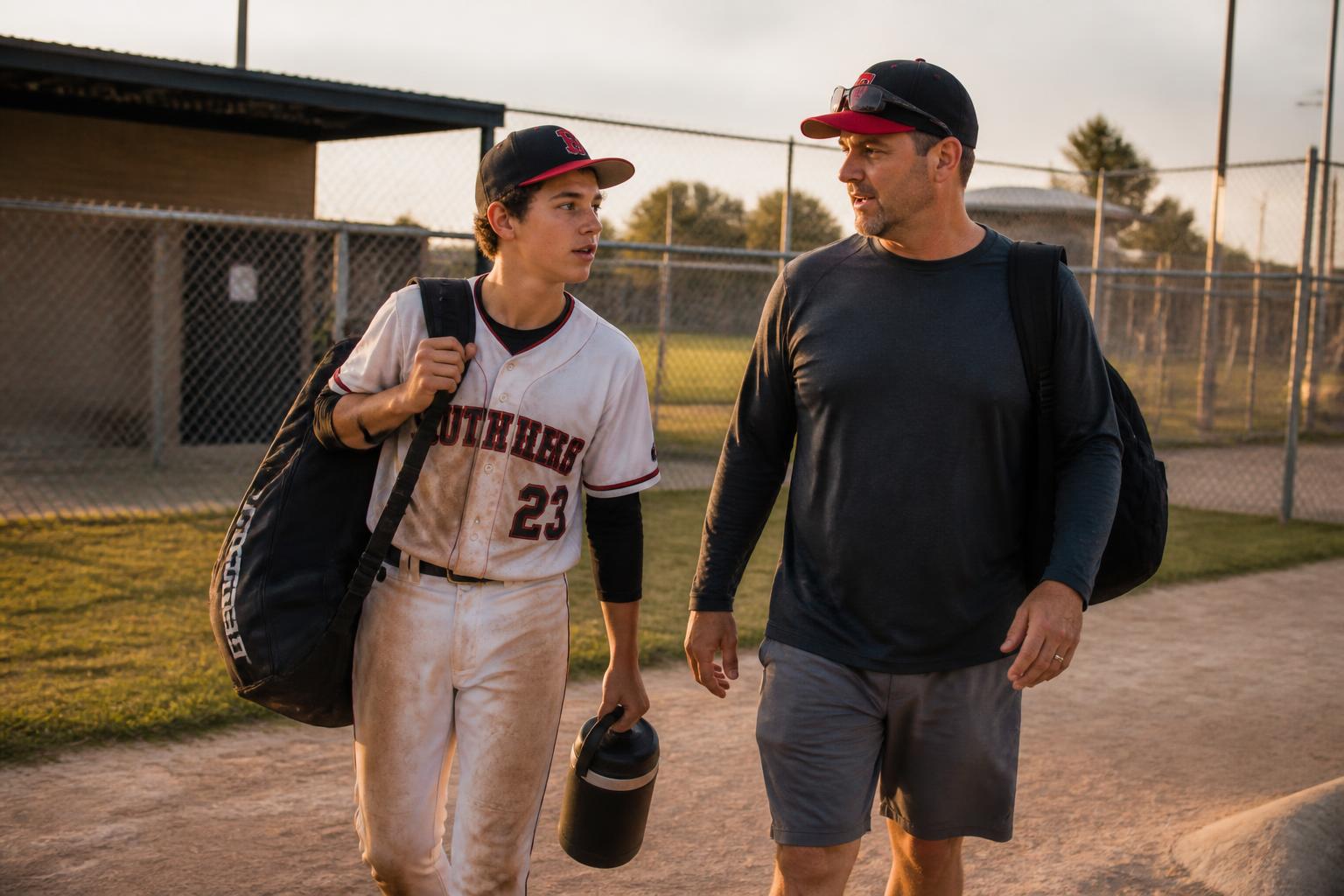

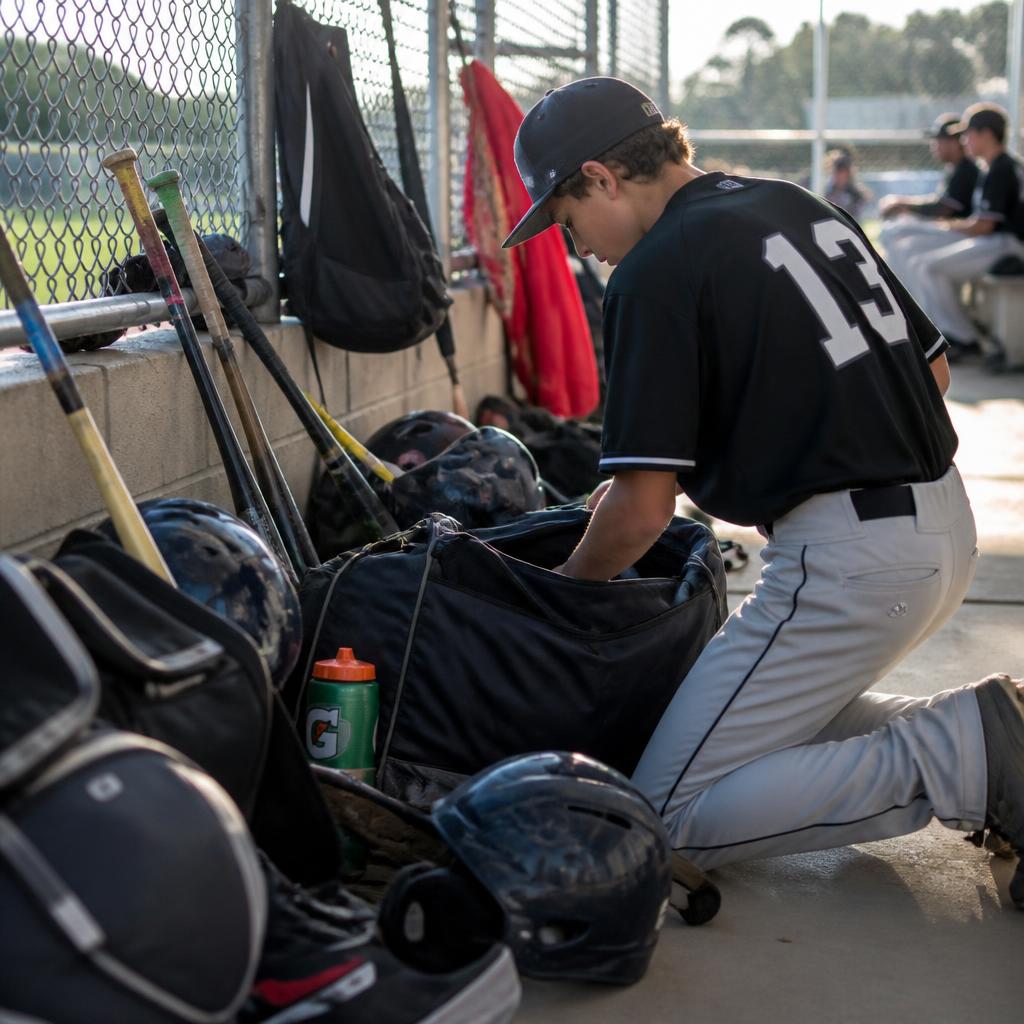
A baseball equipment bag surrounded by receipts and tournament brackets

From Clint's Notebook

The $8,000 Mistake We Made This Season

We spent a small fortune chasing improvement. Here is what we got — and what we should have done instead.

Clint McGill

Clint McGill

Former Professional Baseball Player

Founder, Baseball Notes

Helping more than 75,000 baseball families build confident athletes.

April 8, 202610 min read

I want to walk you through a year in our family's baseball life. Not to make you feel bad. Not to judge. Because I have been exactly where you are, and I made every single one of these decisions with the best intentions.

My son was twelve. He was good — genuinely good — and we had just made the jump from rec ball to travel. We were excited. We were committed. And we had absolutely no idea what we were getting into.

The Spreadsheet I Wish I Had Made Earlier

At the end of that first travel season, I sat down and actually added everything up. I had been paying for things piecemeal — a tournament here, a lesson there, new gear when the old stuff wore out — and I had never looked at the total.

Here is what the year actually cost us:

  • Team fees and tournament registration: $2,200
  • Private hitting lessons (twice a week, most of the year): $1,800
  • New bat (BBCOR composite): $380
  • New glove (he outgrew his old one): $220
  • Cleats, batting gloves, helmet, gear bag: $340
  • Hotel rooms for out-of-town tournaments (11 nights): $1,650
  • Gas, food, and travel expenses: $890
  • Pitching lessons (we tried it for three months): $480
  • Miscellaneous — sunflower seeds, batting tee replacement, extra practice balls: $140

Total: $8,100.

Eight thousand dollars. For one year of youth baseball. For a twelve-year-old.

I stared at that number for a long time.

"Eight thousand dollars. And at the end of the season, the thing holding my son back had nothing to do with any of it."

What We Got For It

My son improved. I want to be honest about that. The lessons helped. Playing against better competition helped. The new bat probably helped a little, though I'm less sure about that one.

But here is what I noticed by the end of the season: the biggest improvements didn't come from the lessons or the gear. They came from the games themselves. From repetition. From failure and recovery. From learning how to compete when the pressure was real.

And the thing that was still holding him back — the thing that was the difference between a good at-bat and a great one, between a tough inning and a complete meltdown — had nothing to do with his swing. It had nothing to do with his glove or his cleats or the bat in his hands.

It was his head.

He didn't know how to reset after a bad at-bat. He didn't have a routine for managing pressure. He had no framework for processing failure in real time. When things went wrong, they snowballed. When things went right, he couldn't sustain it.

I had spent $8,000 on his body and approximately zero on his mind.

The Conversation Every Travel Parent Needs to Have

I have had this conversation with dozens of travel baseball families over the years. The numbers vary — some spend more, some spend less — but the pattern is almost always the same.

The physical investment is enormous. The mental investment is zero.

We buy the best bat we can afford. We find the most credentialed hitting instructor in the area. We drive two hours each way to play in the best tournaments. We do everything we can think of to give our kids an edge.

And then we watch them step into the batter's box with all that equipment and all those lessons and all that investment — and freeze. Because nobody taught them what to do when their heart is pounding and the game is on the line and they just struck out twice.

The mental game is the last frontier of youth baseball development. Every other aspect of the game has been professionalized, optimized, and monetized. The mental side has been almost entirely ignored — and it is costing families thousands of dollars in equipment and lessons that can't fix a confidence problem.
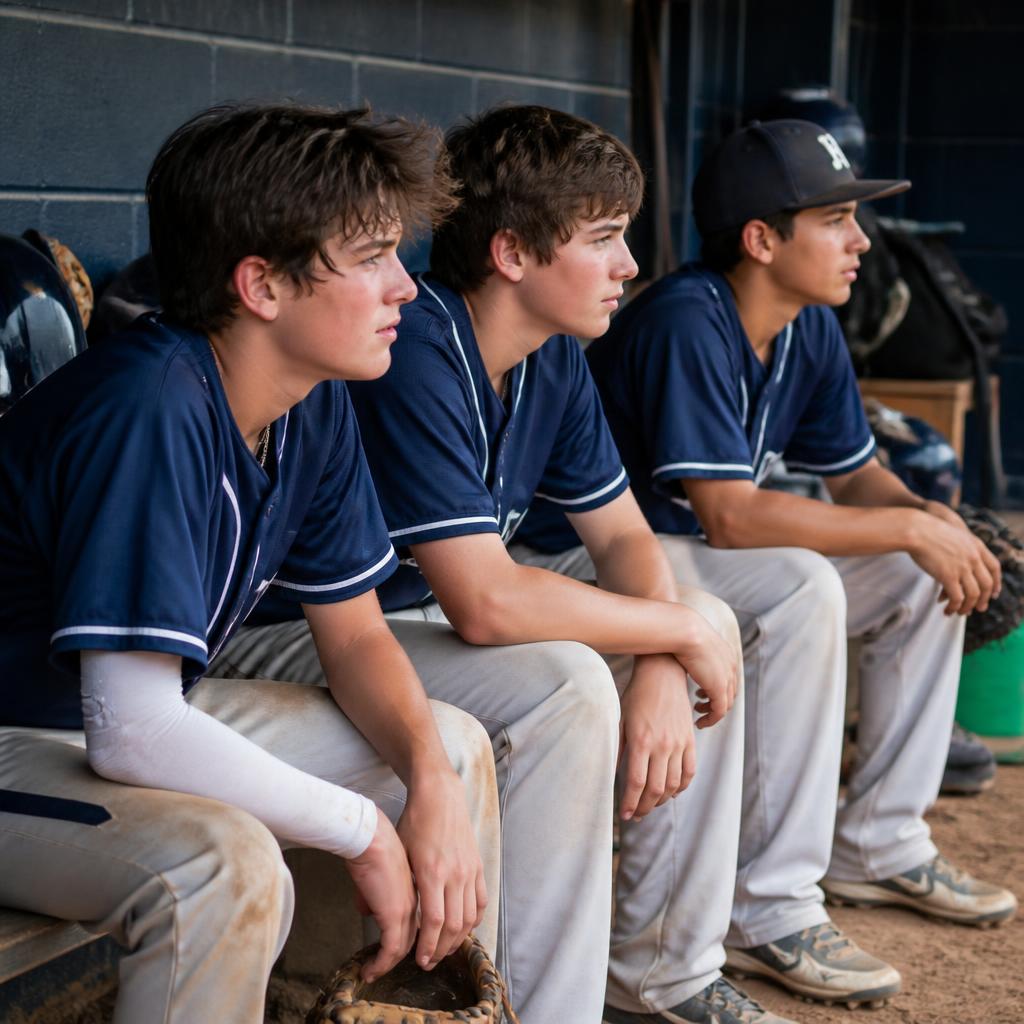
A young player walking off the field alone after a tough game

What I Would Do Differently

If I could go back and redo that first travel season, here is what I would change:

I would still pay the team fees. Competition is irreplaceable. Playing against good players is how kids develop.

I would cut lessons from twice a week to once. At twelve, most kids are not limited by mechanics. They are limited by confidence and experience. More lessons often create more overthinking.

I would buy the mid-range bat, not the top-of-the-line one. The difference in performance at the youth level is marginal. The difference in price is not.

And I would take some of the money I saved and invest it in the one thing that actually changes players at the youth level: their mental game.

Not because it is trendy. Not because every elite program talks about it now. But because I have watched it work. I have watched kids who were stuck — talented, well-coached, well-equipped kids who were stuck — completely transform when someone finally taught them how to think.

"The best equipment in the world cannot fix a broken mental game. But a strong mental game can make average equipment look elite."

The Real Cost of Travel Baseball

I want to be clear: I am not telling you to stop spending money on baseball. I am not telling you that lessons are a waste or that travel ball is not worth it.

I am telling you to be intentional about where you invest.

The real cost of travel baseball is not the $8,000. It is the years of investment that never reach their potential because the mental foundation was never built. It is the talented kid who burns out at fifteen because nobody taught him how to handle pressure. It is the player who had every physical tool and never figured out how to use them when it mattered.

That is the cost that never shows up in a spreadsheet.

Practical Takeaways

  • Add up what you spent on baseball last year. Be honest. Include everything.
  • Ask yourself: what percentage went to the physical game vs. the mental game?
  • Consider reducing lesson frequency if your child is overthinking at the plate.
  • Prioritize competition over equipment. Games develop players faster than gear.
  • Invest in mental skills training. It is the highest-ROI investment in youth baseball.
  • Have a conversation with your child about what they actually enjoy. The answer may surprise you.

Where the Real Return Is

After years of playing professionally and working with thousands of baseball families, I became convinced that the mental game is not a luxury. It is a necessity. And it is the most underinvested area in youth baseball by a wide margin.

That is why I created Bulletproof Hitter through Baseball Notes. Not as a replacement for good coaching or quality competition, but as the missing piece — the daily framework that builds the confidence and mental resilience that all that other investment depends on.

It is designed to be simple enough for a twelve-year-old to use independently. Short daily exercises. Real frameworks for managing pressure. A language for talking about the mental game that actually resonates with kids.

Parents who go through it with their kids consistently tell me the same thing: "I wish we had done this two years ago." Because the physical skills were always there. They just needed the mental foundation to stand on.

That foundation does not cost $8,000. But it might be worth more than everything else combined.

About the Author

Clint McGill

Clint McGill

Former Professional Baseball Player

Founder, Baseball Notes

Clint McGill is a former professional baseball player and the founder of Baseball Notes. He has spent years helping players and families build unshakeable confidence, develop stronger mental routines, and rediscover their love for the game.

The Daily Confidence Routine Trusted by 75,000+ Baseball Families

Built from years of coaching experience and now trusted by more than 75,000 baseball and softball families.

Reader Offer

Your 40% Reader Discount Has Already Been Applied

As a Baseball Parents reader, your exclusive 40% reader offer has already been applied.

  • No coupon code is required.
  • Discount automatically applied at checkout.
  • Just 6 minutes a day — small enough to fit into any schedule, consistent enough to create real change
  • Daily confidence habits that shift how young players think under pressure — before, during, and after games
  • Practical language for parents — what to say (and what not to say) before, during, and after games
  • Built specifically for baseball & softball families — not generic sports psychology, but routines that fit the real rhythms of the game
Explore Bulletproof Hitter

✓ 40% Reader Discount Already Applied

75,000+

Families Served

4.9★

Average Rating

4,800+

5-Star Reviews

Continue Reading

Explore Baseball Parents

More stories, resources, and tools for baseball and softball families.

The Dugout Report — free weekly newsletter